

Many facility managers assume all floor coatings deliver similar durability and aesthetics, yet this misconception leads to costly premature failures. Epoxy coatings stand apart with superior abrasion resistance, chemical tolerance, and seamless adhesion to concrete, making them ideal for Queensland’s demanding commercial and industrial environments. This guide clarifies how epoxy works, what performance factors matter most, and how to choose the right coating system for warehouses, showrooms, and manufacturing facilities across the state.
Table of Contents
- What Is Epoxy Flooring And Why Is It Ideal For Industrial Use?
- Key Performance Factors For Epoxy Floor Coatings In Industrial Settings
- Comparing Epoxy With Polyurea And Polyaspartic Coatings
- Maintenance And Lifespan Expectations For Epoxy Floors In Queensland’s Industrial Spaces
- Explore Epoxy Floor Coating Solutions For Your Facility
Key takeaways
| Point | Details |
|---|---|
| Epoxy chemistry | Two-part resin and hardener cure chemically to form a rigid, seamless surface bonded tightly to concrete. |
| Performance factors | Abrasion resistance of 3,000-4,000 psi, chemical tolerance, and UV stability determine industrial suitability. |
| Alternative coatings | Polyurea cures rapidly with flexibility, polyaspartic balances speed with UV resistance for outdoor use. |
| Lifespan expectations | Commercial epoxy floors last 5-10 years under heavy traffic with proper installation and regular maintenance. |
| Maintenance essentials | Use pH-neutral cleansers, inspect regularly for damage, and avoid harsh chemicals to preserve coating integrity. |
What is epoxy flooring and why is it ideal for industrial use?
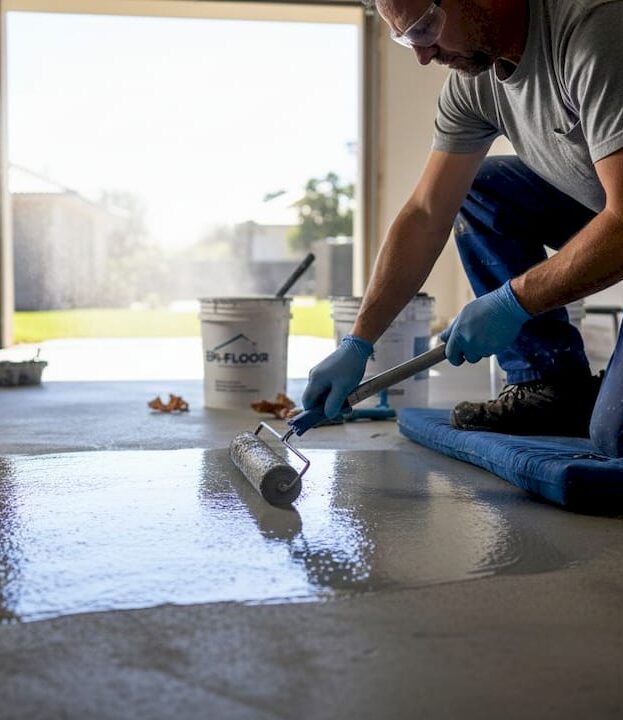
Epoxy flooring is formed by mixing epoxy resin with a hardener, creating a tough, seamless surface bonded tightly to concrete. This two-part system undergoes a chemical curing process rather than simple drying, resulting in a rigid polymer network with exceptional mechanical properties. The curing reaction transforms liquid components into a solid, stain-resistant surface that adheres permanently to properly prepared concrete substrates.
The chemical structure of cured epoxy provides several distinct advantages for industrial environments. Low shrinkage during curing, typically 1-5% by volume due to ring-opening polymerisation, prevents cracking and deformation under heavy loads. This stability ensures the coating maintains its integrity even when subjected to forklift traffic, pallet jacks, and heavy machinery common in Queensland warehouses. The seamless nature eliminates joints and seams where dirt, moisture, or chemicals could penetrate and compromise the substrate.
High mechanical strength distinguishes epoxy from paint-based coatings or simple sealers. The cured surface supports exceptional abrasion resistance, impact tolerance, and chemical resistance needed in commercial showrooms and manufacturing facilities. Unlike topical treatments that sit on concrete surfaces, epoxy penetrates and bonds at the molecular level, creating a unified system that distributes stress across the entire floor area. This integration prevents delamination and extends service life significantly compared to alternative surface treatments.
Pro Tip: Precise mixing ratios and controlled environmental conditions during application are vital to avoid soft spots or poor adhesion. Temperature and humidity outside manufacturer specifications can compromise cure chemistry, leading to premature failure.
Epoxy floor coatings offer facility managers a proven solution for transforming worn concrete into durable, attractive surfaces. The material’s versatility allows for decorative finishes including metallic effects, colour flakes, and custom patterns whilst maintaining industrial-grade performance. This combination of aesthetics and functionality makes epoxy particularly valuable for retail showrooms, reception areas, and customer-facing warehouse spaces where visual appeal matters alongside durability.
“The seamless, non-porous nature of epoxy flooring prevents moisture intrusion and bacterial growth, making it ideal for facilities requiring strict hygiene standards or chemical handling protocols.”
Key performance factors for epoxy floor coatings in industrial settings
Abrasion resistance directly determines how well epoxy withstands daily wear from foot traffic, wheeled equipment, and dragged loads. Epoxy flooring’s abrasion resistance ranges from 3,000 to 4,000 psi, exceeding many alternatives including acrylic sealers and basic urethanes. This superior hardness protects the concrete substrate from grinding equipment, metal pallets, and constant vehicle movement typical in distribution centres and manufacturing plants. Floors maintaining their surface integrity reduce dust generation and eliminate the need for frequent repairs or recoating.
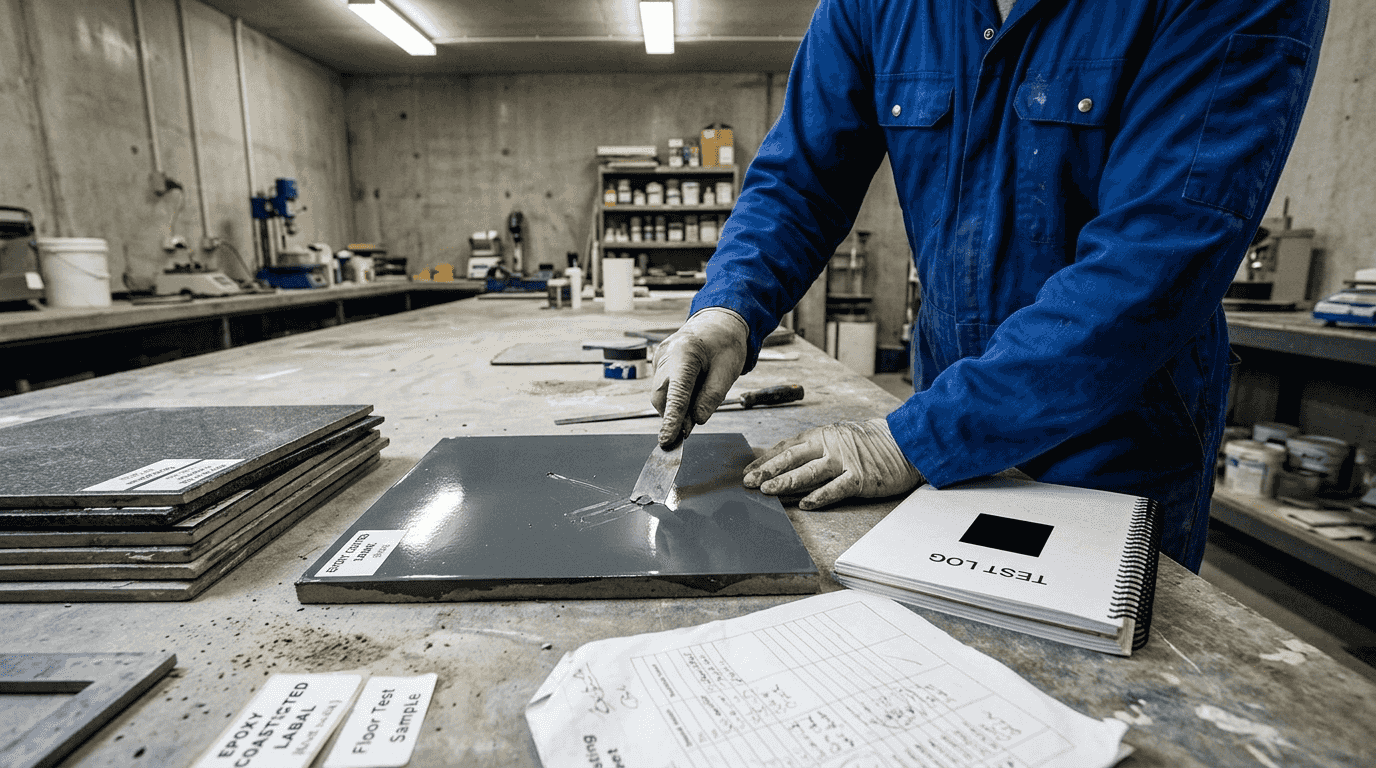
Chemical resistance protects against acids, bases, solvents, and petroleum products common in industrial operations. Epoxy’s cross-linked polymer structure resists degradation from battery acid, hydraulic fluids, cleaning agents, and manufacturing byproducts. This tolerance proves essential in automotive workshops, food processing facilities, and chemical storage areas where spills occur regularly. The non-porous surface prevents chemical penetration into concrete, avoiding substrate damage and contamination that could compromise structural integrity over time.
| Performance Factor | Epoxy Rating | Critical For |
|---|---|---|
| Abrasion resistance | 3,000-4,000 psi | Heavy traffic, equipment wear |
| Chemical resistance | Excellent | Spills, cleaning agents, manufacturing |
| Moisture tolerance | Moderate | Requires dry substrate, proper prep |
| UV stability | Poor without topcoat | Yellowing in sunlight exposure |
| Impact resistance | Very good | Dropped tools, equipment impacts |
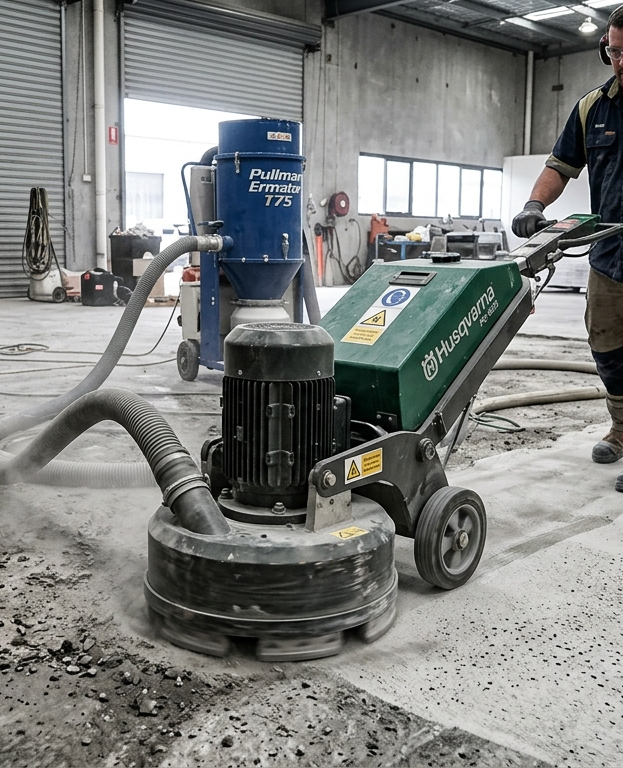
Proper surface preparation and installation prevent the most common failure modes. Failures often result from inadequate design or installation, underscoring professional surface preparation necessity. Concrete must be clean, dry, and profiled to accept the coating system. Contaminants like oil, grease, or curing compounds block mechanical bonding, whilst excessive moisture causes bubbling and delamination. Diamond grinding or shot blasting creates the surface profile needed for optimal adhesion, typically measured using International Concrete Repair Institute standards.
UV stability is critical where floors get sunlight; standard epoxies yellow without UV topcoats. Queensland’s intense sun exposure accelerates this degradation in loading docks, covered outdoor areas, and facilities with skylights or large windows. Aliphatic polyurethane or polyaspartic topcoats provide UV protection whilst maintaining clarity and gloss. This additional layer prevents colour shift and surface chalking, preserving the floor’s appearance throughout its service life.
Moisture control prevents bubbling and coating failure in high-humidity or damp concrete conditions. Concrete slabs retain moisture from groundwater, rain penetration, or inadequate curing. Applying epoxy over damp substrates traps water vapour, creating pressure that lifts the coating. Calcium chloride or relative humidity testing determines moisture levels before application. In problematic areas, moisture mitigation primers or specialised epoxy systems designed for damp conditions provide solutions without requiring extended drying periods.
Pro Tip: Consult ICRI standards for surface preparation to ensure optimal epoxy bond strength. These industry guidelines specify concrete surface profile depths, cleanliness requirements, and testing methods that predict coating performance.
Industrial floor coatings must balance multiple performance requirements simultaneously. A coating excelling in chemical resistance might lack impact tolerance, whilst highly flexible systems may sacrifice hardness. Understanding your facility’s specific demands, from traffic patterns to exposure conditions, guides selection of the optimal epoxy formulation and thickness. Professional assessment identifies these requirements and matches them to proven coating systems.
Comparing epoxy with polyurea and polyaspartic coatings
Epoxy provides strong adhesion and durability but cures slower, typically requiring 24-48 hours before foot traffic and several days for full chemical cure. This extended timeline can disrupt operations in facilities needing rapid turnaround. The curing process depends on ambient temperature and humidity, with cooler conditions extending cure times significantly. For projects requiring weekend installations or minimal downtime, this limitation presents scheduling challenges that may favour faster-curing alternatives.
Polyurea coatings cure within minutes and are flexible to withstand floor movement. This rapid cure allows facilities to resume operations within hours rather than days. The material’s elasticity accommodates substrate expansion and contraction from temperature fluctuations, reducing cracking risk in areas experiencing thermal cycling. Polyurea’s flexibility makes it particularly suitable for cold storage facilities, outdoor loading docks, and structures subject to movement or vibration. However, this flexibility comes with reduced hardness compared to epoxy, potentially affecting long-term abrasion resistance under point loads.
Polyaspartic coatings offer excellent UV resistance, chemical resistance, abrasion resistance and fast curing. This technology bridges the gap between epoxy’s hardness and polyurea’s speed, providing a versatile solution for diverse applications. Polyaspartic systems cure quickly enough for same-day installations whilst achieving hardness levels approaching traditional epoxy. The inherent UV stability eliminates yellowing in sunlit areas without requiring additional topcoats, simplifying system design and reducing material costs.
| Coating Type | Cure Time | UV Stability | Flexibility | Best Applications |
| — | — | — | — |
| Epoxy | 24-48 hours | Poor, needs topcoat | Rigid | Heavy traffic warehouses, chemical areas |
| Polyurea | Minutes to 1 hour | Good | Excellent | Cold storage, areas needing fast turnaround |
| Polyaspartic | 2-4 hours | Excellent | Moderate | Showrooms, outdoor areas, rapid projects |
| Epoxy with polyaspartic topcoat | 24 hours base, 2-4 hours topcoat | Excellent | Rigid | High-performance areas with sun exposure |
Each coating type suits different industrial environments based on traffic patterns, chemical exposure, and sunlight. Warehouses with minimal natural light and heavy forklift traffic benefit from thick-build epoxy systems prioritising abrasion resistance. Retail showrooms requiring aesthetic finishes and UV stability perform better with polyaspartic systems offering colour retention and gloss. Facilities needing weekend installations or operating 24/7 find polyurea’s rapid cure essential for maintaining productivity.
Hybrid systems combining multiple technologies optimise performance characteristics. A common approach uses epoxy as the base coat for superior adhesion and chemical resistance, topped with polyaspartic for UV protection and faster project completion. This layered strategy delivers epoxy’s proven durability whilst addressing its UV sensitivity and extended cure times. Choosing between epoxy polyurethane floors 2026 requires evaluating these trade-offs against your facility’s operational requirements and maintenance capabilities.
Maintenance and lifespan expectations for epoxy floors in Queensland’s industrial spaces
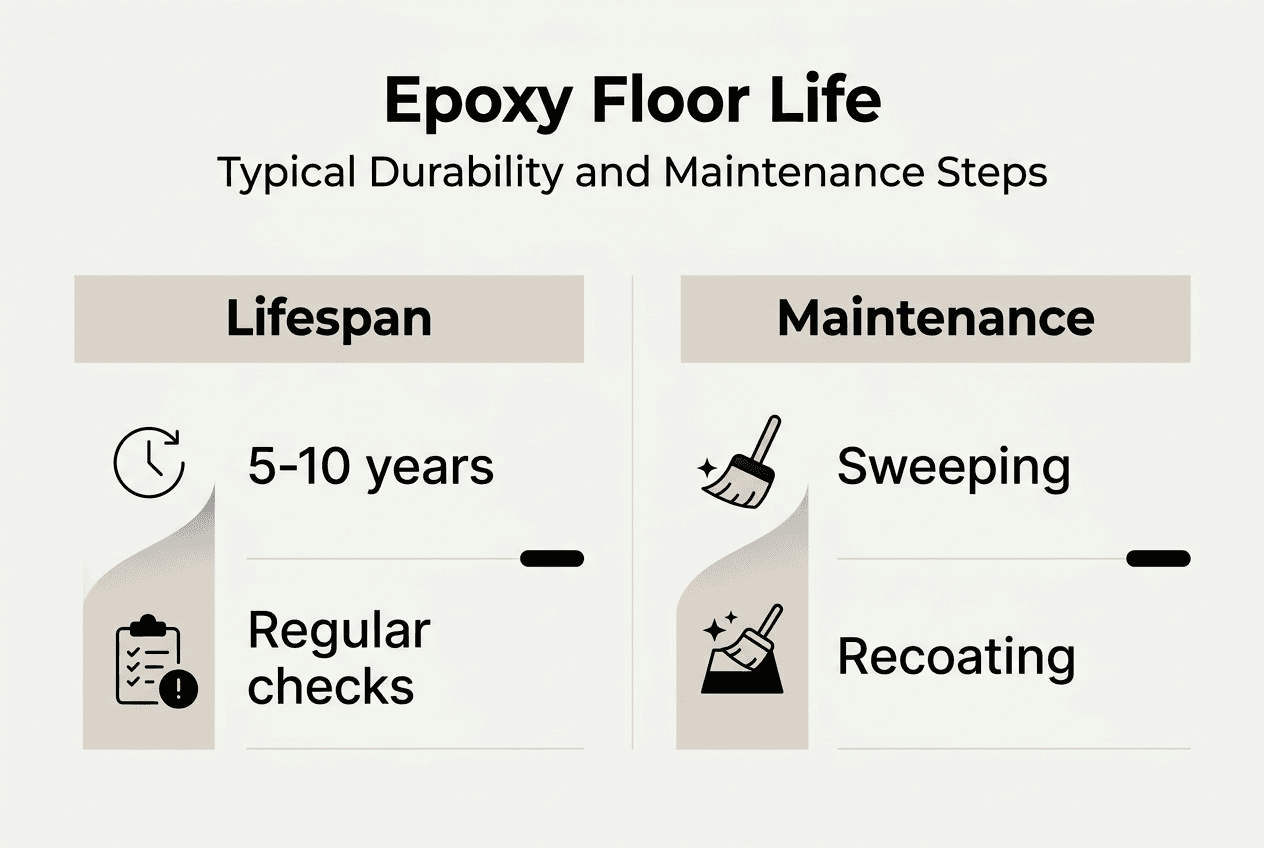
Properly installed epoxy flooring lasts 5-10 years in high-traffic commercial settings with maintenance. This range reflects variations in traffic intensity, cleaning practices, and environmental conditions across different facilities. Warehouses experiencing constant forklift traffic and heavy pallet movement typically see shorter lifespans than retail showrooms with predominantly foot traffic. Understanding realistic expectations helps facility managers budget for eventual recoating and plan maintenance schedules that maximise return on investment.
Full strength and durability typically require 24-48 hours cure beyond surface dryness. Cleaning or heavy use before complete cure can damage the coating permanently, creating soft spots or surface marring that accelerates wear. Patience during the initial cure period protects your investment and ensures the floor reaches its designed performance capabilities. Premature loading or cleaning represents the most common installer mistake, compromising what should be a decade-long service life.
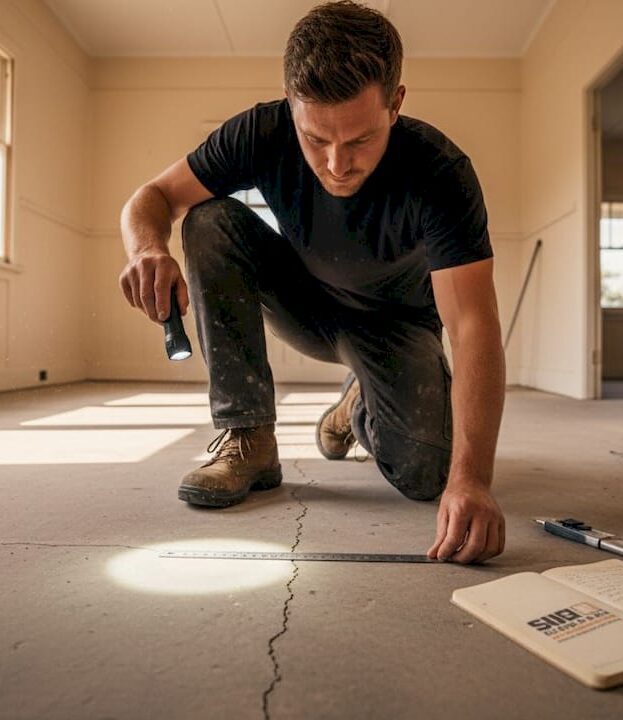
Regular inspection for chips, cracks, or wear spots helps prevent further damage. Small defects allow moisture and chemicals to reach the concrete substrate, creating delamination that spreads outward from the initial damage point. Prompt repair of minor issues costs substantially less than addressing widespread coating failure. Monthly visual inspections identify problem areas before they expand, whilst annual professional assessments catch subtle degradation invisible to untrained observers.
Moisture control and avoiding harsh chemicals extend lifespan significantly. Even after installation, groundwater migration or plumbing leaks can compromise the coating from beneath. Addressing moisture sources protects both the epoxy and underlying concrete. Similarly, whilst epoxy resists most chemicals, prolonged exposure to strong acids, alkalis, or solvents eventually causes softening or discolouration. Prompt spill cleanup and appropriate chemical storage practices preserve coating integrity.
Pro Tip: Use pH-neutral cleansers and follow manufacturer maintenance guidelines to preserve coating integrity. Acidic or highly alkaline cleaners attack the epoxy polymer, causing surface etching and gloss loss. Simple maintenance with neutral detergents and soft-bristle equipment maintains appearance whilst avoiding chemical damage.
Daily sweeping or dust mopping removes abrasive particles that act like sandpaper under foot and vehicle traffic. Weekly damp mopping with approved cleaners maintains appearance and prevents buildup of contaminants. For facilities with significant soil loading, automatic scrubbers with soft pads provide efficient cleaning without damaging the coating. Avoid steel wool, harsh scrubbing pads, or high-pressure washing that can abrade the surface or force water beneath the coating at seams or damaged areas.
Periodic recoating extends service life beyond the initial installation. As the topcoat wears from traffic and cleaning, applying a fresh layer restores appearance and protection without requiring complete removal and reinstallation. This maintenance approach costs 20-30% of new installation whilst adding 3-5 years of service life. Facilities implementing planned recoating schedules avoid the disruption and expense of complete floor failure.
How to apply epoxy flooring diy guide 2026 provides detailed maintenance protocols, but professional assessment identifies issues requiring expert intervention. Some wear patterns indicate substrate problems, moisture issues, or chemical exposure requiring specialised solutions beyond routine maintenance. Annual professional inspections catch these concerns early, preventing minor maintenance items from becoming major capital expenses.
Explore epoxy floor coating solutions for your facility
Queensland’s commercial and industrial facilities demand flooring that withstands intense use whilst maintaining professional appearance. Floor X Industries delivers expertly applied epoxy floor coatings engineered for your specific operational requirements. Whether you manage a distribution warehouse, retail showroom, or manufacturing plant, our team matches coating systems to your traffic patterns, chemical exposure, and aesthetic goals.

Our industrial floor coatings services include comprehensive surface preparation using diamond grinding and shot blasting equipment, ensuring optimal adhesion and long-term performance. We specify coating thickness, aggregate additions, and topcoat systems based on your facility’s unique demands. With over a decade of experience across Queensland’s diverse industrial sectors, we understand the performance requirements that separate adequate floors from exceptional ones.
Professional installation eliminates the guesswork and risk associated with coating projects. Our technicians control mixing ratios, application rates, and environmental conditions to achieve manufacturer-specified performance. Epoxy coatings for durable stylish floors 2026 showcases completed projects demonstrating the visual impact and functional benefits available for your space. Contact Floor X Industries to schedule a facility assessment and discover how upgraded flooring enhances safety, cleanliness, and property value.
FAQ
What types of industrial floor coatings are best for Queensland warehouses?
Epoxy coatings excel in Queensland warehouses requiring abrasion and chemical resistance under heavy forklift traffic and frequent spills. Their proven durability and cost-effectiveness make them the industry standard for distribution centres and manufacturing facilities. Polyurea and polyaspartic coatings suit areas needing rapid cure times and UV stability, particularly loading docks and spaces with natural light exposure. Professional assessment matches coating chemistry to your specific operational demands, traffic patterns, and budget constraints. Epoxy coatings for durable stylish floors 2026 provides detailed comparisons for Queensland’s commercial environments.
How long does epoxy flooring last in commercial settings?
Properly installed epoxy flooring lasts 5-10 years in high-traffic commercial settings with maintenance. Actual lifespan depends on traffic intensity, cleaning practices, and exposure to chemicals or moisture. Warehouses with constant heavy equipment use typically require recoating sooner than retail showrooms with predominantly foot traffic. Regular maintenance including prompt spill cleanup, appropriate cleaning products, and periodic inspections extends service life significantly. Professional recoating at the first signs of wear adds years of performance without complete floor replacement.
What maintenance is required to keep epoxy floors looking their best?
Clean regularly with pH-neutral cleansers designed specifically for epoxy surfaces, avoiding acidic or highly alkaline products that attack the polymer. Daily sweeping or dust mopping removes abrasive particles, whilst weekly damp mopping maintains appearance and prevents soil buildup. Inspect quarterly for chips, cracks, or wear spots requiring repair before damage spreads. Avoid harsh scrubbing pads, steel wool, or high-pressure washing that can abrade the coating. Prompt attention to spills and proper chemical storage practices prevent staining and premature degradation. How to maintain epoxy floors offers comprehensive care guidelines for Queensland facilities.
Can epoxy flooring be applied over existing coatings or damaged concrete?
Existing coatings must be removed or properly prepared to ensure new epoxy bonds correctly to the substrate. Failed or delaminating coatings prevent adhesion, leading to premature failure of the new system. Damaged concrete requires repair using patching compounds or grinding to create a sound, level surface. Cracks, spalling, or structural defects need addressing before coating application, as epoxy follows substrate contours rather than filling major defects. Professional surface assessment determines whether existing conditions support successful coating installation or require remediation. Proper preparation represents the single most critical factor in long-term epoxy performance.
Are epoxy floor coatings suitable for outdoor areas in Queensland?
Standard epoxy coatings yellow and chalk under Queensland’s intense UV exposure, making them unsuitable for uncovered outdoor areas. However, epoxy topped with UV-stable polyaspartic or aliphatic polyurethane coatings performs well in covered outdoor spaces, loading docks, and breezeways. These hybrid systems combine epoxy’s adhesion and chemical resistance with topcoat UV protection. Fully exposed outdoor areas benefit from polyaspartic or polyurea systems offering inherent UV stability. Temperature extremes and moisture exposure also influence outdoor coating selection, requiring specialised formulations designed for exterior conditions. Professional specification ensures coating chemistry matches your specific environmental exposure.