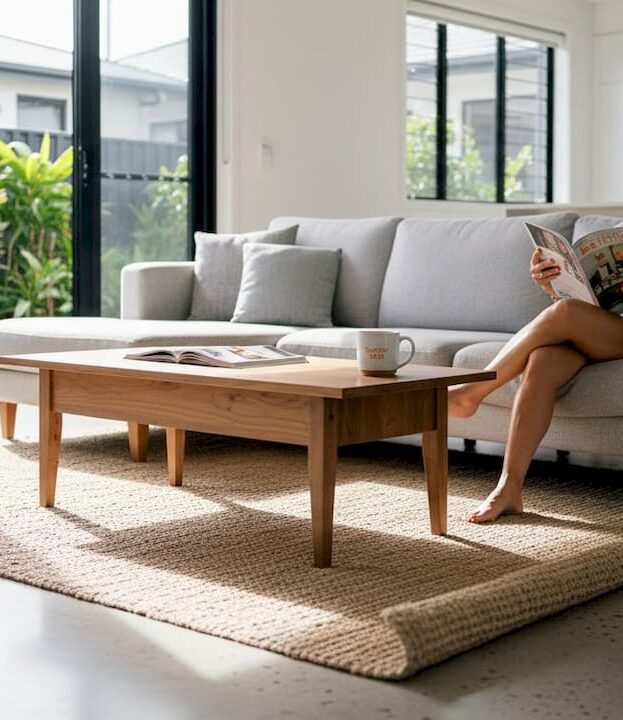


Choosing the right floor coating for your Queensland property isn’t as straightforward as many assume. Epoxy and polyurethane coatings each deliver distinct performance characteristics that suit dramatically different environments and usage patterns. Understanding these differences ensures you invest in flooring that genuinely matches your property’s demands, avoiding costly mistakes and premature failures that plague uninformed decisions.
Table of Contents
- Understanding Epoxy Floor Coatings
- What Makes Polyurethane Flooring Unique
- Comparing Epoxy And Polyurethane: Key Differences And Trade-Offs
- Hybrid Solutions And Practical Tips For Queensland Properties
- Explore Epoxy And Polyurethane Flooring Options With Floor X Industries
- FAQ
Key takeaways
| Point | Details |
|——-|———||
| Hardness vs flexibility | Epoxy delivers superior hardness and adhesion for heavy static loads; polyurethane offers flexibility and impact resistance for dynamic environments. |
| Environmental resistance | Polyurethane excels in UV stability and outdoor exposure; epoxy performs best in controlled indoor settings. |
| Cost and lifespan | Epoxy costs less upfront but lasts 5 to 10 years; polyurethane requires higher investment yet delivers 10 to 20 years of service. |
| Application strategy | Choose based on traffic type, environmental conditions, and lifecycle requirements rather than price alone. |
Understanding epoxy floor coatings
Epoxy floor coatings consist of thermosetting resins formed through chemical reactions between epoxy resin and polyamine hardeners. This molecular bonding creates an exceptionally rigid surface that transforms concrete into a high-performance industrial floor. The chemistry behind epoxy explains why it dominates warehouses, manufacturing facilities, and commercial spaces across Queensland.
The technical advantages of epoxy floor coatings centre on measurable performance metrics. Epoxy coatings offer superior compressive strength up to 10,000 psi and excellent adhesion to concrete with bond strengths reaching 300 to 500 psi. These numbers translate to real-world durability for spaces handling forklifts, heavy machinery, and substantial static loads without surface degradation.
Key benefits of epoxy coatings include:
- Exceptional hardness that resists indentation from concentrated loads
- Chemical resistance protecting against oils, solvents, and common industrial substances
- Seamless application creating impervious surfaces easy to clean and maintain
- Cost effectiveness with materials ranging from affordable to mid-range pricing
Epoxy works brilliantly in controlled indoor environments where UV exposure remains minimal and temperature fluctuations stay moderate. Garages, retail showrooms, warehouses, and manufacturing floors represent ideal applications. The rigid nature that makes epoxy so durable also creates limitations in spaces experiencing thermal cycling or requiring flexibility.
Pro tip: Epoxy performs best when applied to properly prepared concrete with moisture content below 4%. Queensland’s humidity demands careful timing and preparation to achieve optimal adhesion and prevent delamination.
The affordability factor makes epoxy attractive for property managers working within budget constraints. Installation costs typically run lower than polyurethane alternatives, and the application process requires less specialised equipment. For indoor commercial spaces prioritising load-bearing capacity over flexibility, epoxy delivers unmatched value.
What makes polyurethane flooring unique
Polyurethane coatings represent a fundamentally different approach to floor protection. These elastomeric materials cure through reactions between polyols and isocyanates, creating flexible polymer chains rather than rigid cross-linked structures. This molecular architecture delivers characteristics that epoxy simply cannot match.
The standout feature of polyurethane centres on elasticity. Polyurethane coatings exhibit 50 to 100% elongation at break and superior abrasion resistance compared to epoxy. This flexibility allows polyurethane floors to absorb impacts, accommodate thermal expansion, and withstand dynamic loads without cracking or delaminating.
Impact resistance sets polyurethane apart in environments where dropped tools, equipment, or products threaten floor integrity. Polyurethane floors withstand up to 25% more impact force before failure than epoxy. This resilience proves critical in automotive workshops, retail spaces with shopping trolleys, and commercial kitchens where impacts occur regularly.
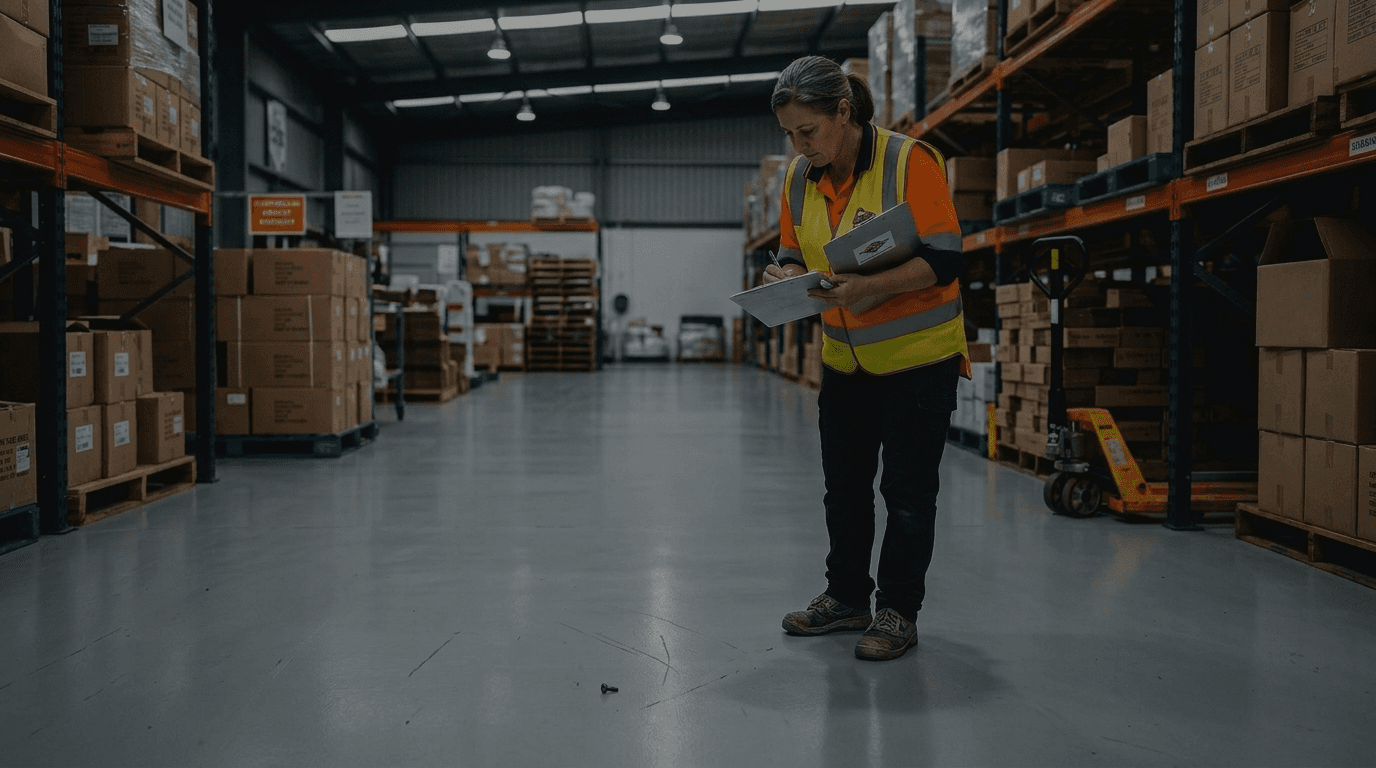
Abrasion resistance extends polyurethane’s service life dramatically in high-traffic zones. The flexible polymer chains deflect rather than fracture under constant wear from foot traffic, wheels, and dragged equipment. Busy retail environments, corridors, and walkways maintain their appearance far longer under polyurethane than rigid coatings that wear through quickly.
Key advantages of polyurethane include:
- Flexibility accommodating building movement and thermal cycling
- Superior abrasion resistance in pedestrian-heavy environments
- Exceptional chemical resistance including concentrated acids and alkalis
- Rapid cure times minimising operational downtime
UV stability represents polyurethane’s killer advantage for Queensland properties. Polyurethane offers better UV stability, resisting yellowing and degradation over time versus epoxy. Aliphatic polyurethane formulations maintain colour and gloss even under intense subtropical sun, making them ideal for floor coatings with UV protection in exposed areas like balconies, patios, and semi-outdoor commercial spaces.
Pro tip: Aliphatic polyurethane costs more than aromatic varieties but delivers significantly better UV resistance. For any Queensland floor receiving direct sunlight, the premium pays for itself through extended service life and maintained aesthetics.
The higher material and installation costs reflect polyurethane’s advanced chemistry and application requirements. Expect to invest 50 to 100% more upfront compared to epoxy. However, the extended lifespan and reduced maintenance needs often deliver superior total cost of ownership in demanding applications.
Comparing epoxy and polyurethane: key differences and trade-offs
Direct comparison reveals how dramatically these coatings differ across critical performance dimensions. Understanding these trade-offs enables strategic flooring decisions that align with your property’s specific demands and long-term objectives.
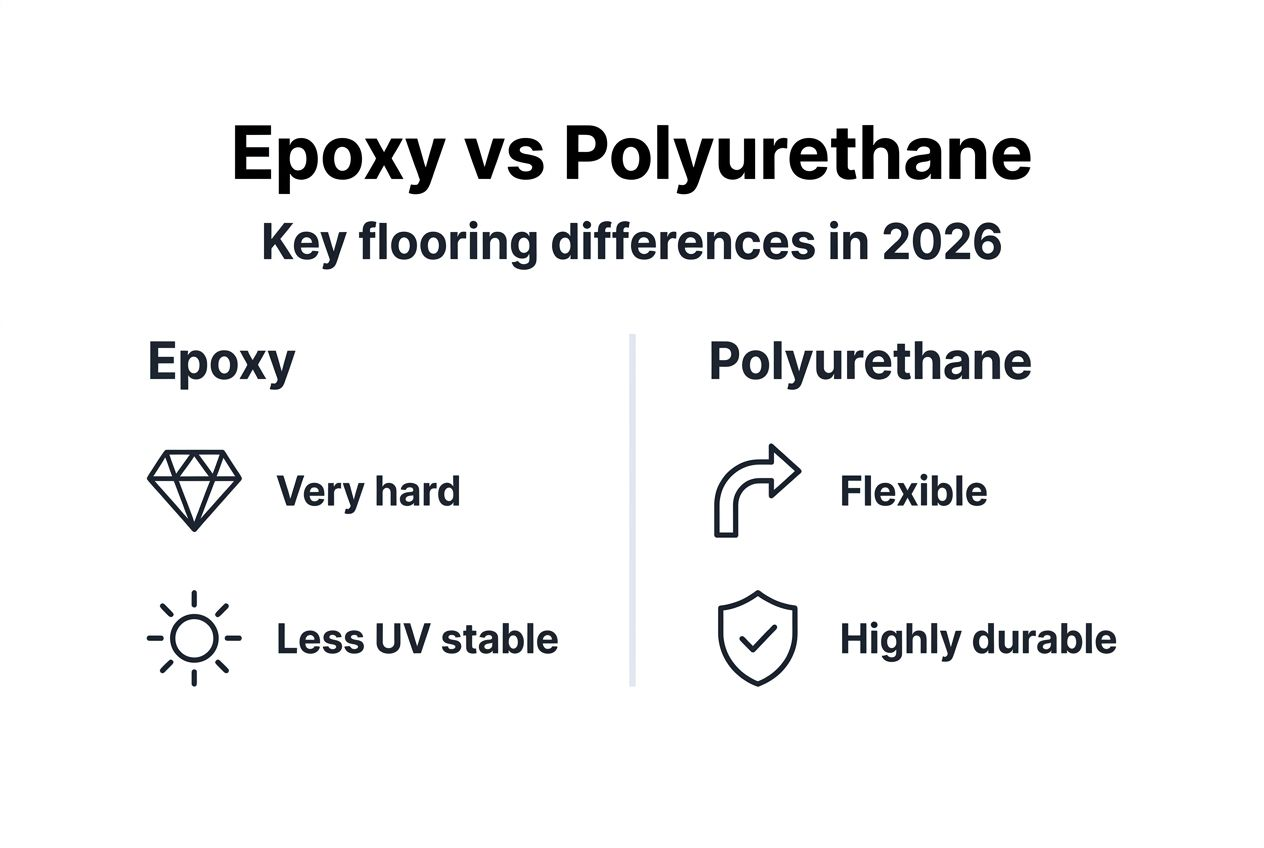
Epoxy excels through rigid strength, superior adhesion, and cost accessibility. Its hardness makes it unbeatable for heavy static loads and chemical exposure in controlled environments. The affordable pricing and straightforward application appeal to budget-conscious projects prioritising immediate performance over maximum lifespan.
Polyurethane dominates through flexibility, abrasion resistance, and environmental durability. Its elastic nature absorbs impacts and accommodates movement that would crack rigid coatings. The UV stability and extended service life justify higher costs in high-traffic or exposed applications where replacement expenses mount quickly.
| Factor | Epoxy | Polyurethane |
|---|---|---|
| Cost per square metre | $20 to $75 | $40 to $110 |
| Typical lifespan | 5 to 10 years | 10 to 20 years |
| Hardness | Excellent | Good |
| Flexibility | Poor | Excellent |
| Abrasion resistance | Good | Excellent |
| UV stability | Poor | Excellent |
| Best applications | Indoor warehouses, manufacturing | Retail, outdoor areas, high-traffic zones |
Cost for epoxy ranges $2 to $7 per square foot; polyurethane $4 to $10 per square foot with service life ranging 5 to 10 years for epoxy, 10 to 20 years for polyurethane. These economics shift dramatically when factoring replacement cycles and lifecycle costs.
Queensland’s subtropical climate intensifies certain performance factors. UV radiation, thermal cycling between air-conditioned interiors and outdoor heat, and moisture exposure accelerate coating degradation. Polyurethane’s inherent resistance to these stressors extends its advantage in exposed or semi-exposed applications.
Choice depends on application: epoxy preferred for chemical resistance and heavy static loads; polyurethane for abrasion resistance and UV exposure. Matching coating chemistry to environmental conditions and usage patterns determines success.
Decision guidelines for Queensland properties:
- Choose epoxy for fully enclosed warehouses, manufacturing areas, chemical storage, and budget-sensitive projects requiring maximum hardness
- Select polyurethane for retail showrooms, commercial kitchens, automotive facilities, and any space receiving UV exposure or heavy foot traffic
- Consider industrial floor coatings combining both technologies for facilities with diverse operational zones
The performance gap widens in extreme conditions. A warehouse floor handling forklifts benefits little from polyurethane’s flexibility but demands epoxy’s compressive strength. Conversely, a retail entrance experiences minimal static loads but suffers constant abrasion where polyurethane’s wear resistance delivers measurable value.
Hybrid solutions and practical tips for Queensland properties
Hybrid flooring systems combine epoxy and polyurethane in layered configurations that leverage each material’s strengths while minimising weaknesses. This sophisticated approach delivers performance characteristics impossible with single-coating systems.
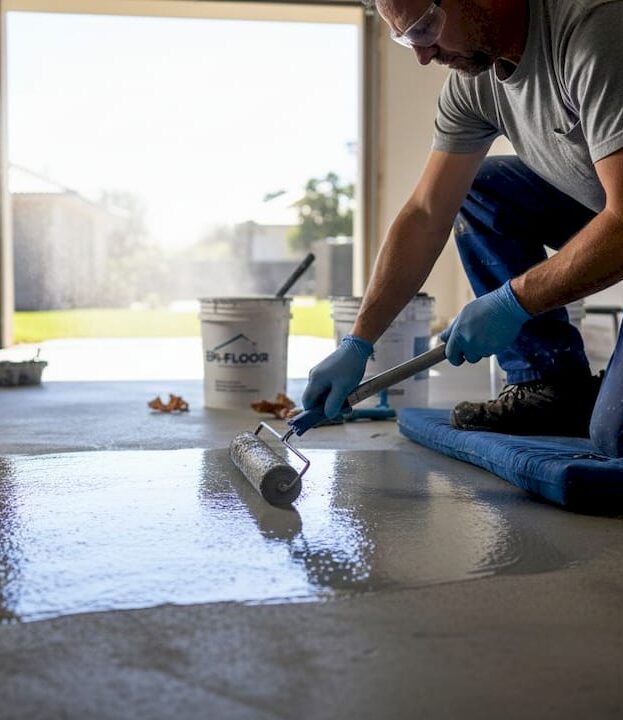
Many industrial applications use epoxy base coats with polyurethane topcoats to balance chemical resistance, load-bearing and UV protection. The epoxy primer penetrates and bonds tenaciously to concrete, providing structural integrity and chemical barrier properties. The polyurethane topcoat adds flexibility, abrasion resistance, and UV stability that protects the epoxy layer beneath.
Hybrid systems leverage strengths of both materials for optimal durability and aesthetics in challenging conditions. The combined coating thickness typically ranges from 2 to 5 millimetres depending on expected loads and environmental exposure.
Evaluating your property’s specific needs requires systematic analysis:
- Assess traffic patterns identifying areas with heavy pedestrian flow versus static equipment zones
- Map environmental exposure noting UV radiation, temperature extremes, and moisture sources
- Document chemical exposure from cleaning agents, process fluids, or stored substances
- Calculate lifecycle costs including installation, maintenance, and replacement over 15 to 20 years
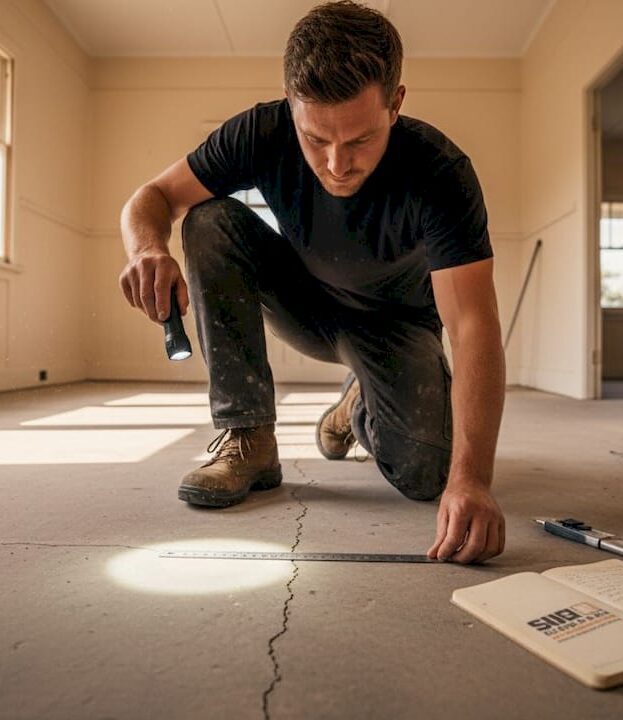
- Prioritise performance requirements ranking factors like aesthetics, slip resistance, and maintenance ease
Pro tip: Queensland properties benefit enormously from epoxy polyurethane hybrid floors in transition zones between indoor and outdoor areas. The hybrid approach prevents the sharp performance drop-off that occurs when single coatings face conditions beyond their design envelope.
Timing application around Queensland’s weather patterns maximises coating performance. Avoid installation during wet season when humidity exceeds 70% and moisture intrusion risks increase. Target autumn and winter months when stable conditions allow proper curing and optimal adhesion development.
Maintenance strategies differ significantly between coating types. Epoxy requires protection from UV exposure through window films or covered areas. Polyurethane tolerates harsher cleaning chemicals and benefits from periodic deep cleaning that removes embedded particles causing abrasive wear. Both systems perform best with regular dust mopping and immediate spill cleanup preventing chemical attack.
Explore epoxy and polyurethane flooring options with Floor X Industries
Navigating coating selection becomes straightforward with expert guidance tailored to Queensland’s unique conditions. Floor X Industries brings over a decade of specialised experience transforming concrete surfaces across residential, commercial, and industrial properties throughout the Gold Coast and broader Queensland region.
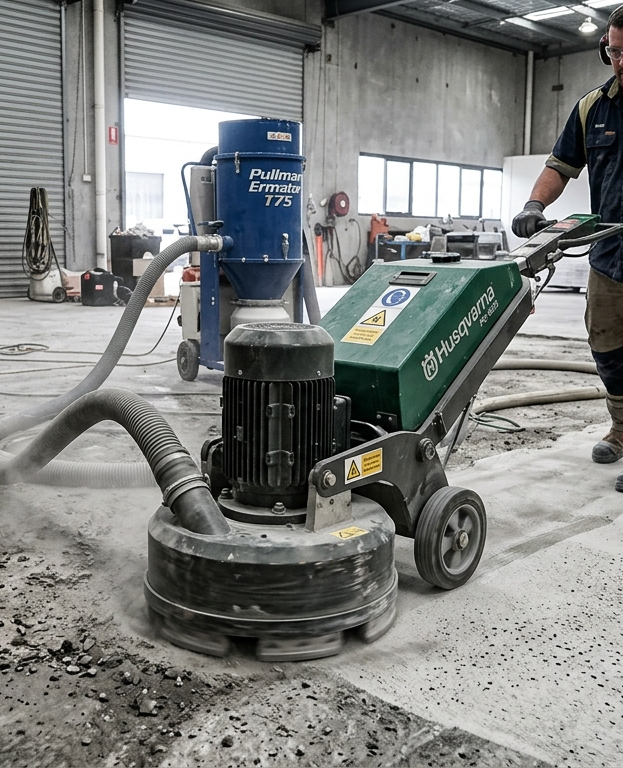
Our epoxy floor coatings deliver proven performance in warehouses, garages, and manufacturing facilities where hardness and chemical resistance drive value. We combine quality materials meeting Australian standards with meticulous surface preparation ensuring optimal adhesion and longevity.
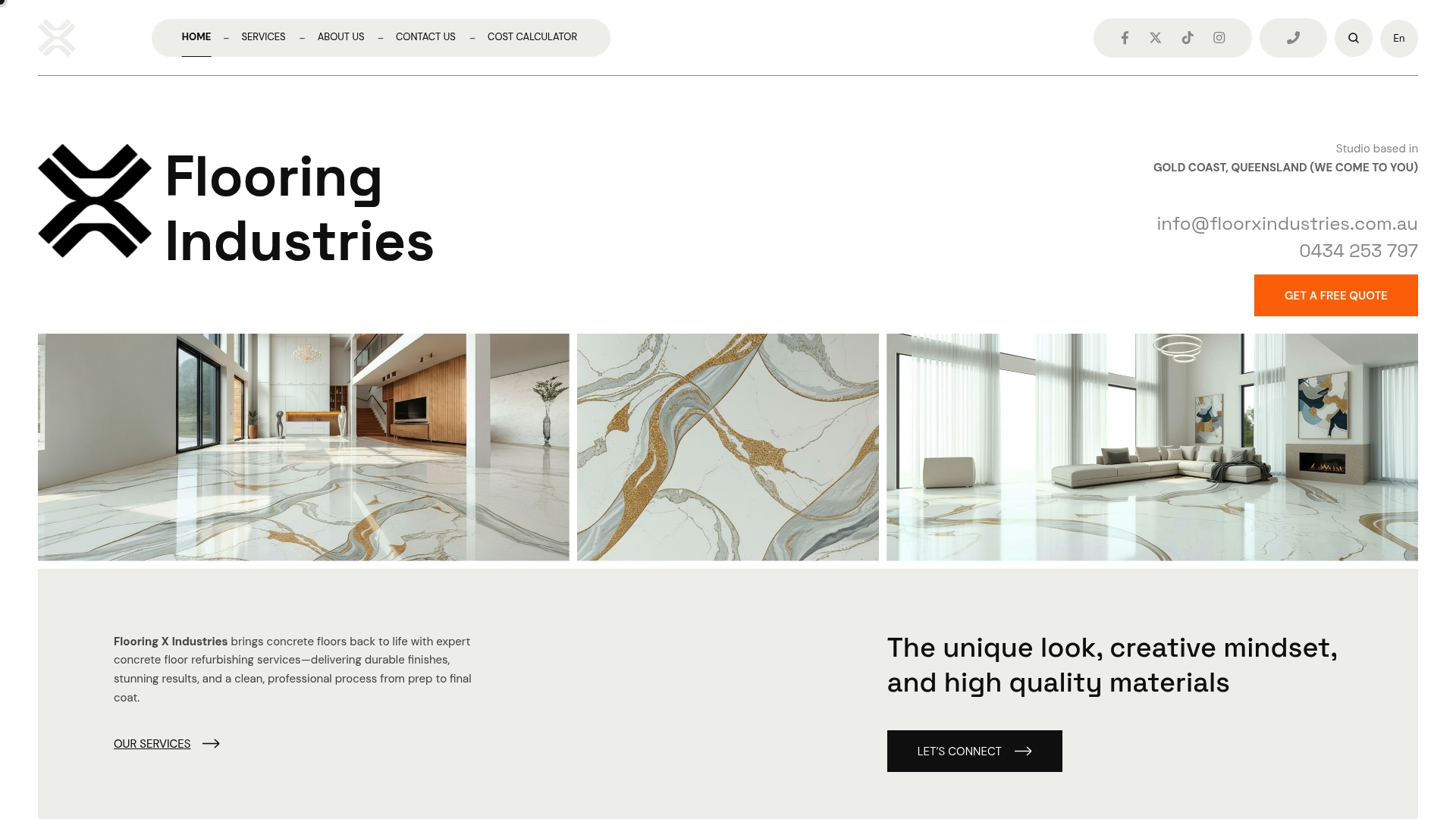
The Hyper Flake Stone Range showcases our hybrid coating capabilities, blending epoxy base layers with polyurethane topcoats for showroom-quality aesthetics backed by industrial-grade durability. These decorative systems suit retail environments, hospitality venues, and residential garages where appearance and performance both matter.
Contact Floor X Industries for personalised consultancy evaluating your property’s specific requirements. Our team assesses site conditions, usage patterns, and budget parameters to recommend coating solutions delivering maximum value. Professional installation ensures proper application technique, adequate curing time, and quality outcomes that protect your investment.
FAQ
What is the main difference between epoxy and polyurethane flooring?
Epoxy creates a hard, rigid surface with exceptional adhesion ideal for heavy static loads and chemical exposure in controlled indoor environments. Polyurethane offers flexible, elastic properties with superior abrasion resistance and UV stability suited to dynamic traffic and exposed areas. The choice depends entirely on your specific usage patterns and environmental conditions.
How long do epoxy and polyurethane floors typically last in Queensland?
Epoxy floors generally deliver 5 to 10 years of service life under normal commercial use in indoor Queensland environments. Polyurethane extends this significantly, lasting 10 to 20 years even in high-traffic or UV-exposed conditions. Queensland’s intense UV radiation and humidity can accelerate epoxy degradation outdoors while polyurethane maintains performance.
Can I combine epoxy and polyurethane coatings for flooring?
Absolutely, hybrid systems using epoxy base coats topped with polyurethane layers are common in industrial and demanding commercial applications. This approach captures epoxy’s adhesion and chemical resistance while adding polyurethane’s flexibility and UV protection. The layered system delivers performance impossible with single-coating installations.
Are epoxy and polyurethane floors suitable for outdoor use in Queensland?
Polyurethane, particularly aliphatic formulations, excels in outdoor Queensland applications due to superior UV resistance that prevents yellowing and degradation. Epoxy performs poorly outdoors, fading and chalking under UV exposure unless protected with a polyurethane topcoat. For patios, balconies, or semi-exposed areas, polyurethane-based systems deliver far better long-term results.