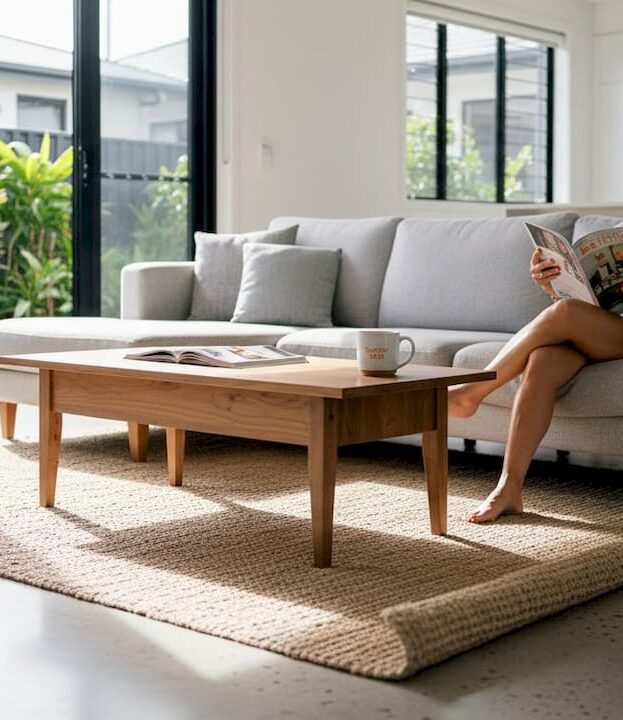


Epoxy-coated floors can last more than a decade with minimal upkeep, outperforming most traditional flooring options. If you’re a homeowner or small business owner in Queensland facing stained, worn concrete surfaces, epoxy coatings offer a practical solution. They transform plain floors into durable, attractive spaces that handle daily wear while boosting visual appeal. This guide explains how epoxy coatings work, their benefits, and why professional application matters for Queensland conditions.
Table of Contents
- Introduction To Epoxy Coatings
- How Epoxy Coatings Enhance Floor Durability
- Visual And Decorative Possibilities With Epoxy Coatings
- Safety, Maintenance And Environmental Considerations
- Common Misconceptions About Epoxy Coatings
- Comparison With Other Flooring Solutions
- Application Process And Choosing Expert Epoxy Services
- Conclusion: Making The Most Of Epoxy Flooring In Queensland
- Explore Professional Epoxy Floor Coatings From Floor X Industries
- FAQ
Key takeaways
| Point | Details |
|---|---|
| Durability boost | Epoxy coatings chemically bond to concrete, extending lifespan beyond 10 years with minimal maintenance. |
| Visual customisation | Choose from solid colours, metallic finishes, or decorative flakes to match your style or brand. |
| Safety compliance | Slip-resistant formulations meet Australian standards while simplifying cleaning routines. |
| Myth correction | Modern epoxy resists yellowing, improves grip, and requires expert application for best results. |
| Professional advantage | Certified installers ensure proper surface prep and product quality for long-term performance. |
Introduction to epoxy coatings
Epoxy coatings consist of two main components: resin and hardener. When mixed, they undergo a chemical reaction that cures into a solid, protective layer. This process creates a strong bond with concrete surfaces, sealing and protecting them from everyday damage. Understanding this composition helps you appreciate why epoxy floor coatings work so effectively.
Epoxy coatings chemically bond to concrete, providing a hard and impermeable protective layer. This bonding mechanism differs from paint or sealers that simply sit on the surface. The chemical reaction creates molecular links with the concrete substrate, preventing peeling or flaking under normal use.
Common applications include residential garages, outdoor patios, retail showrooms, and workshop floors across Queensland. These spaces benefit from epoxy’s ability to withstand vehicle traffic, foot movement, equipment loads, and environmental exposure. The coating protects against:
- Abrasive wear from foot traffic and equipment
- Staining from oil, chemicals, and organic materials
- Moisture penetration that causes concrete degradation
- Surface damage from impacts and daily use
For Queensland homeowners and small businesses, epoxy coatings address multiple flooring challenges simultaneously. They eliminate the porous nature of bare concrete, creating a sealed surface that resists the region’s humidity and temperature variations.
How epoxy coatings enhance floor durability
The chemical bonding process transforms concrete from a vulnerable surface into a resilient system. When properly applied, epoxy coatings resist abrasion, impacts, and chemicals, extending floor lifespan beyond 10 years. This longevity stems from the coating’s molecular structure, which hardens into a surface tougher than the underlying concrete itself.
Epoxy’s chemical resistance proves valuable in garages where automotive fluids drip, workshops where solvents spill, and retail spaces where cleaning products contact floors daily. Unlike porous concrete that absorbs these substances, epoxy creates an impermeable barrier. Spills wipe away cleanly without penetrating or staining the substrate.
The durability advantages include:
- Superior abrasion resistance compared to paint or bare concrete
- Impact tolerance that prevents chipping from dropped tools or equipment
- Chemical immunity to common household and commercial substances
- UV stability in formulations designed for Queensland’s intense sun
Typical lifespan improvements over uncoated concrete reach 300% or more with professional installation. Where bare concrete might require resurfacing every three to five years, properly applied epoxy maintains structural integrity and appearance for 10 to 15 years. Industrial floor coatings designed for heavier use offer even greater longevity.
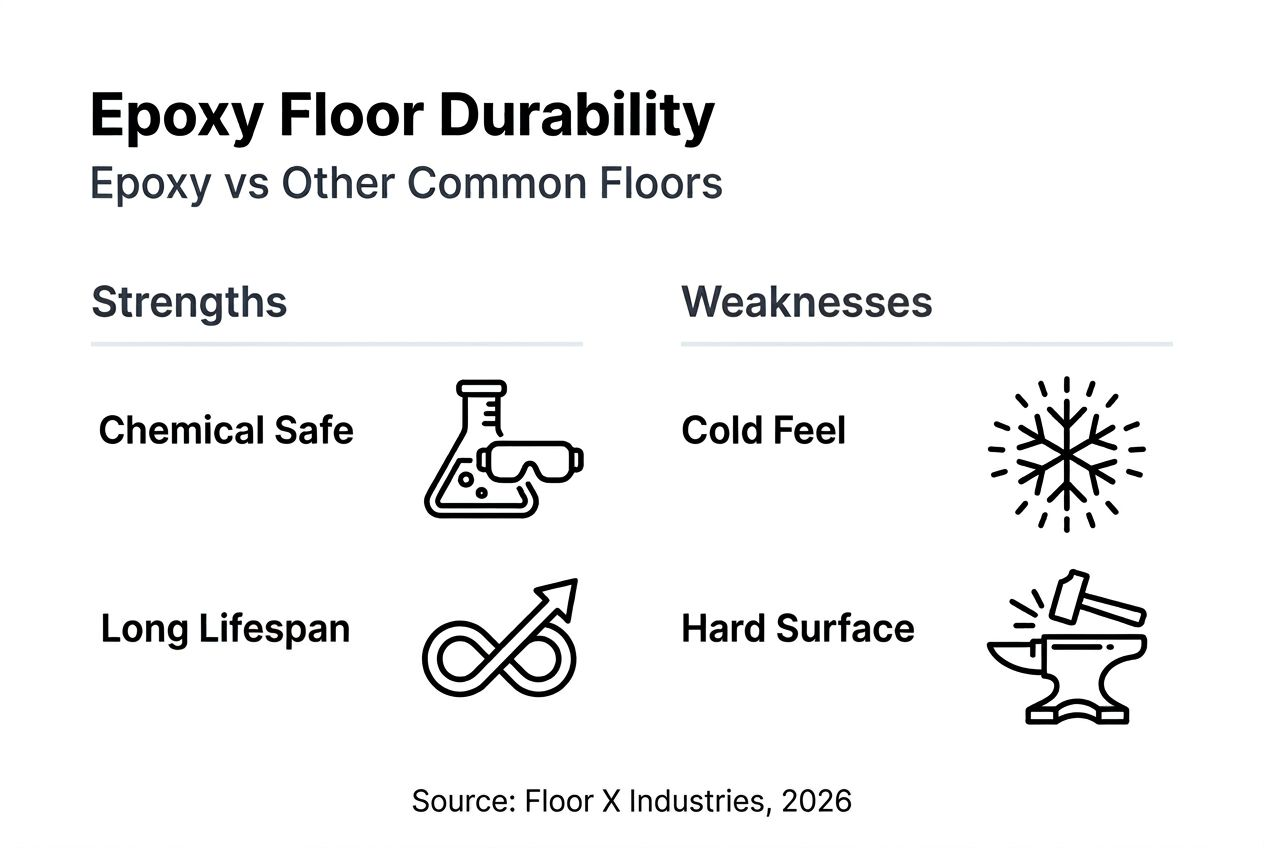
Pro Tip: Surface preparation determines 80% of your epoxy floor’s final performance. Ensure contractors grind the concrete to remove contaminants and create proper surface profile before application.
The hardness epoxy develops after curing exceeds that of residential timber floors and rivals commercial tile in wear resistance. This makes it ideal for high-traffic areas where traditional flooring shows premature wear patterns.
Visual and decorative possibilities with epoxy coatings
Beyond protection, epoxy coatings offer extensive customisation for aesthetic preferences. You can choose from solid colours that create clean, uniform appearances, metallic finishes that produce depth and shimmer, or coloured flake systems that add texture and visual interest. This versatility allows homeowners to match existing décor and businesses to reinforce brand identity through flooring.

Decorative epoxy finishes transform functional spaces into design features. Metallic formulations create flowing patterns reminiscent of marble or natural stone, whilst flake systems incorporate coloured chips that scatter across the surface in random patterns. Both approaches deliver unique floors where no two installations look identical.
Decorative options include:
- Solid colours from subtle greys to bold statements
- Metallic systems with flowing, organic patterns
- Flake finishes in single or multi-colour combinations
- Custom colour matching to coordinate with surroundings
These aesthetic choices directly impact property value and customer perception. Retail spaces with polished, professional floors create stronger first impressions than worn concrete. Residential garages transformed with attractive epoxy become usable living extensions rather than neglected storage areas.
The decorative flakes embedded in many systems serve dual purposes. They enhance grip when walking, reducing slip hazards whilst adding visual complexity. This combination of safety and style makes flake systems popular for patios, poolside areas, and commercial entries where both factors matter.
Colour stability in quality epoxy products ensures your chosen aesthetic endures. UV-stabilised formulations resist the yellowing and fading that plagued earlier epoxy generations, maintaining their appearance throughout Queensland’s sunny conditions.
Safety, maintenance and environmental considerations
Safety improvements rank among epoxy coatings’ most practical benefits. Slip resistance values meeting Australian standards (0.6 COF+) help prevent falls in both wet and dry conditions. Textured finishes and aggregate additions increase traction without compromising the seamless surface that makes cleaning easy.
Maintenance requirements decrease dramatically compared to porous concrete or grout-lined tile. Epoxy’s seamless, non-porous surface prevents dirt, bacteria, and moisture from embedding in crevices. Regular sweeping and occasional mopping with pH-neutral cleaners maintain appearance and hygiene. Avoid abrasive scrubbers or harsh chemicals that can dull the finish over time.
Epoxy floor upkeep involves:
- Daily or weekly sweeping to remove loose debris
- Periodic mopping with mild, non-abrasive cleaners
- Immediate spill cleanup to prevent potential staining
- Annual inspection for wear patterns requiring touch-up
Queensland’s environmental conditions demand UV-stabilised products. The region’s intense sunlight breaks down standard epoxy resins, causing yellowing and surface degradation. Modern formulations incorporate UV inhibitors that protect against this photodegradation, extending outdoor and sun-exposed floor lifespans significantly.
Compliance with Australian health and safety regulations ensures your epoxy installation meets workplace and residential standards. Professional installers use low-VOC products that minimise emissions during and after application. Proper ventilation during curing protects occupants whilst maintaining air quality standards.
Pro Tip: Schedule professional epoxy applications during Queensland’s cooler, drier months (April to September) for optimal curing conditions and faster return to service.
The thermal properties of epoxy coatings help moderate floor temperatures in Queensland’s climate. The reflective surfaces bounce light and reduce heat absorption compared to bare concrete, creating more comfortable spaces during summer months. This passive cooling effect lowers energy costs in climate-controlled buildings.
Common misconceptions about epoxy coatings
Several myths discourage property owners from considering epoxy coatings despite their proven benefits. Addressing these misconceptions helps you make informed decisions based on facts rather than outdated information or misunderstandings.
Myth: Epoxy floors are always slippery. Modern formulations specifically address traction. Textured finishes, aggregate additions, and flake systems create slip-resistant surfaces that exceed safety standards. The slippery reputation stems from older industrial coatings applied without traction enhancements.
Myth: Epoxy coatings have poor longevity. Properly applied professional installations last 10 to 15 years or more. Failed epoxy floors typically result from inadequate surface preparation, incorrect product selection, or DIY application errors. Quality materials and expert installation deliver the durability epoxy is known for.
Myth: Epoxy floors yellow quickly under sun. UV-stabilised products resist photodegradation effectively. Whilst bargain-grade epoxies and older formulations yellow within months of sun exposure, modern Queensland-suitable products maintain colour stability for years.
Common misconceptions include:
- Belief that all epoxy feels slick when wet
- Assumption that epoxy durability claims are exaggerated
- Concern that Queensland sun ruins epoxy quickly
- Thinking DIY kits deliver professional results
The DIY versus professional debate deserves clarification. Retail epoxy kits appeal to cost-conscious buyers but rarely deliver professional results. Surface preparation requires specialised grinding equipment and expertise. Product mixing, application timing, and environmental control during curing demand experience. Professional installation costs more initially but prevents the premature failures that necessitate complete redoing.
Understanding these facts helps you evaluate epoxy coatings accurately. The technology has evolved significantly, addressing early limitations through improved chemistry and application techniques.
Comparison with other flooring solutions
Comparing epoxy coatings to popular alternatives clarifies their advantages and helps you select the best option for Queensland homes and businesses. Tile and laminate represent common choices, each with distinct characteristics.
| Factor | Epoxy Coatings | Ceramic Tile | Laminate Flooring |
|---|---|---|---|
| Durability | 10-15+ years, resists impacts and chemicals | 7-10 years, prone to cracking | 5-7 years, susceptible to water damage |
| Maintenance | Simple sweeping and mopping, no grout lines | Regular grout cleaning required | Avoid water, special cleaners needed |
| Slip Resistance | Customisable with textures and aggregates | Depends on tile glaze and grout | Can be slippery when wet |
| Installation Time | 2-4 days including cure time | 3-7 days plus grout curing | 1-2 days |
| Water Resistance | Completely waterproof | Grout absorbs moisture | Swells and warps with water exposure |
| Visual Options | Unlimited colours, patterns, and finishes | Limited to available tile designs | Imitates wood or stone patterns |
Epoxy offers superior chemical resistance compared to both alternatives. Automotive fluids, cleaning products, and organic materials that stain or damage tile grout and laminate surfaces wipe cleanly from epoxy without penetration. This chemical immunity proves crucial in garages, workshops, and commercial kitchens.
Maintenance simplicity favours epoxy. The seamless surface eliminates grout lines that trap dirt and require periodic resealing. Unlike laminate’s sealed seams that separate with moisture exposure, epoxy creates a monolithic surface. This reduces long-term maintenance hours and costs significantly.
Durability advantages become clear with heavy use. Tile cracks when heavy objects drop on it, requiring individual tile replacement that rarely matches original finishes perfectly. Laminate’s thin wear layer scratches permanently from abrasive particles. Epoxy’s thick, resilient coating absorbs impacts and resists abrasion throughout its substantial lifespan.
Key comparison points include:
- Epoxy’s seamless surface versus tile’s grout lines and laminate’s seams
- Superior moisture resistance compared to laminate
- Impact tolerance exceeding ceramic tile
- Lower lifetime cost through extended lifespan and minimal maintenance
- Greater visual customisation than prefabricated options
For Queensland’s humid climate, epoxy’s complete moisture impermeability prevents the mould growth and water damage that compromise laminate and tile grout. This environmental resistance extends floor life whilst maintaining healthier indoor air quality.
Application process and choosing expert epoxy services
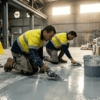
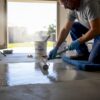
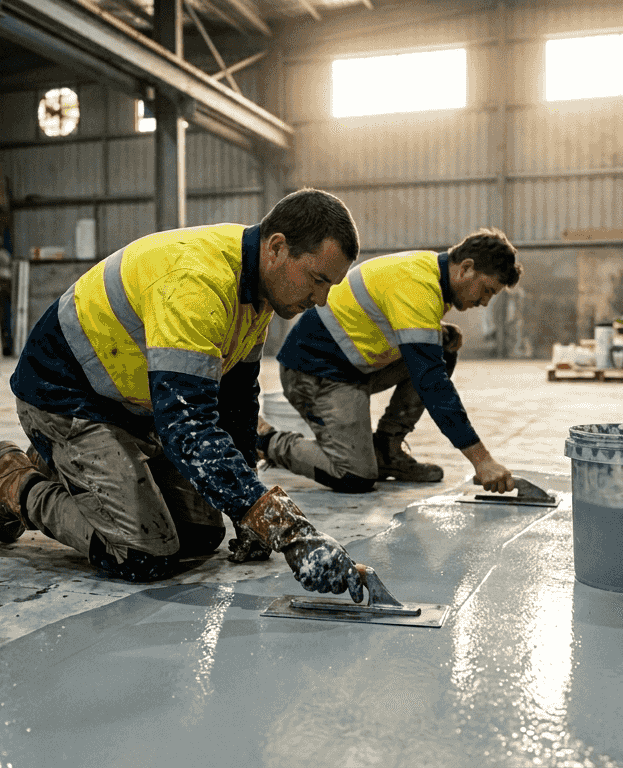
Achieving epoxy coatings’ full benefits requires proper application following established procedures. Proper surface grinding and professional application are critical to avoid adhesion failure and ensure long lifespan. The process involves specific steps that build upon each other.
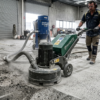
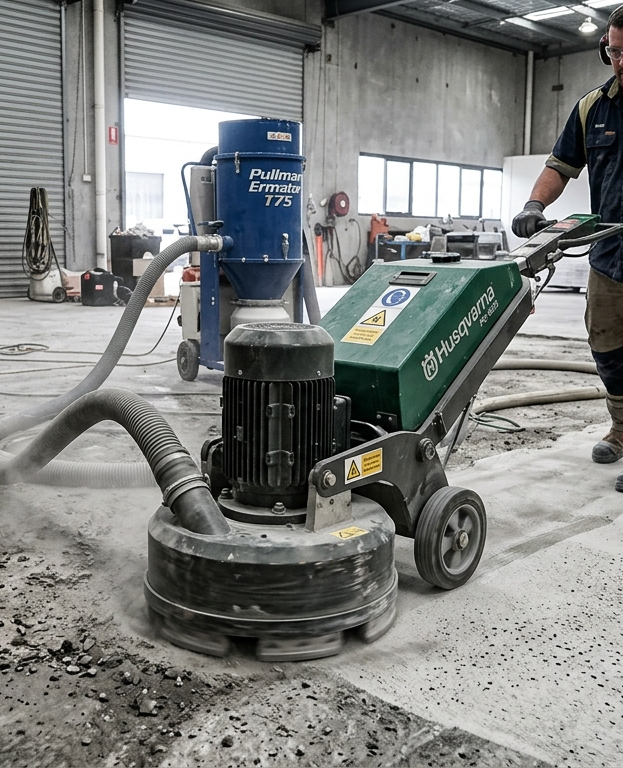
- Surface preparation begins with grinding or shot-blasting concrete to remove contaminants, open pores, and create proper surface profile for mechanical bonding.
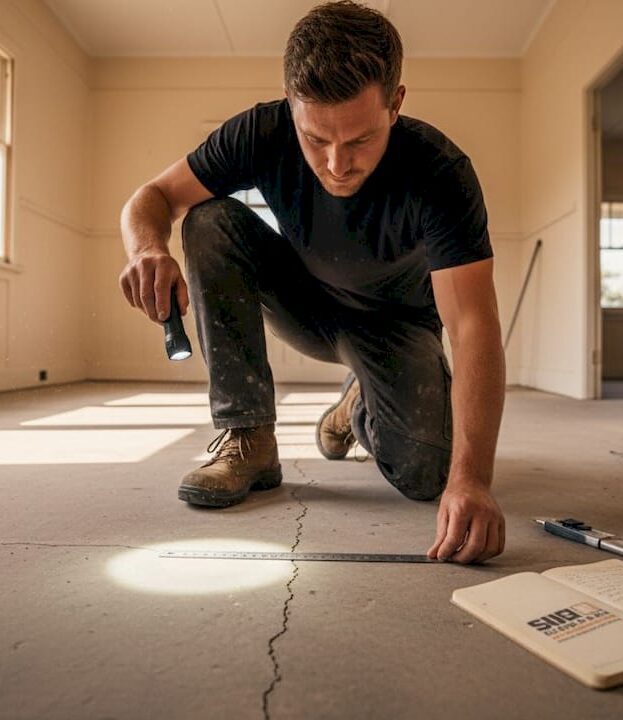
- Repair work fills cracks, spalls, and damaged areas with appropriate patching compounds that cure before coating application.
- Primer application follows, providing initial bonding layer and sealing porous concrete to prevent air bubbles during subsequent coats.
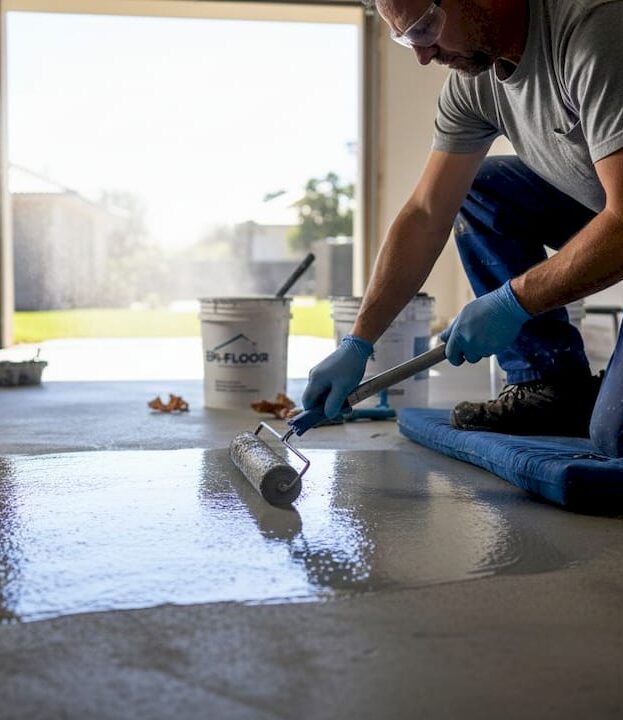
- Base coat installation creates the primary protective layer, typically in two applications for adequate thickness and coverage.
- Decorative elements get broadcast or applied between base coats, whether flakes, aggregates, or metallic pigments.
- Clear topcoat seals and protects decorative elements whilst providing final hardness, chemical resistance, and UV protection.
- Curing period allows complete chemical reaction and hardness development before subjecting floor to traffic or loads.
The importance of clean, properly prepared concrete cannot be overstated. Contaminated surfaces prevent chemical bonding, leading to delamination and premature failure. Oil stains, curing compounds, existing sealers, and surface laitance must be completely removed through grinding. This preparation represents the foundation of successful epoxy installation.
DIY application drawbacks include inadequate equipment for proper grinding, difficulty achieving correct product mixing ratios, inability to control environmental conditions during curing, and lack of experience recognising and addressing substrate issues. These factors combine to produce installations that fail within months rather than lasting years.
Professional epoxy services offer:
- Industrial grinding equipment for proper surface preparation
- Experience identifying and addressing concrete defects
- Access to commercial-grade products unavailable to consumers
- Knowledge of Australian standards and building codes
- Warranty coverage protecting your investment
Pro Tip: Verify that service providers hold current licenses and insurance, use products with documented Australian standards compliance, and offer written warranties covering both materials and workmanship.
Queensland’s climate demands installers familiar with local conditions. Temperature and humidity during application and curing affect final properties significantly. Experienced local contractors schedule work during optimal weather windows and adjust procedures for environmental factors.
Conclusion: Making the most of epoxy flooring in Queensland
Epoxy coatings deliver measurable benefits for Queensland homeowners and small businesses seeking durable, attractive floor solutions. The combination of chemical bonding, protective thickness, and customisable aesthetics addresses multiple flooring challenges simultaneously. You gain surfaces that withstand daily wear, resist Queensland’s environmental conditions, and enhance property value through improved appearance.
Safety improvements through slip resistance and maintenance simplicity through seamless, non-porous surfaces provide practical advantages beyond visual appeal. The investment in professional installation pays returns through extended lifespan, reduced maintenance costs, and avoided premature replacement expenses.
Expert application ensures you realise epoxy coatings’ full potential. Proper surface preparation, quality product selection, and experienced installation techniques distinguish successful floors from disappointing failures. Queensland conditions demand UV-stable formulations and installers who understand local climate factors.
For residential garages, outdoor patios, retail showrooms, and workshop floors, epoxy coatings represent smart flooring investments. They transform worn, stained concrete into attractive, functional spaces that serve reliably for years. The technology’s evolution has addressed early limitations, creating modern solutions suited to Australian conditions and standards.
Consider epoxy coatings when planning floor upgrades or new construction. The combination of durability, aesthetics, safety, and value makes them compelling choices for concrete surface protection and enhancement throughout Queensland.
Explore professional epoxy floor coatings from Floor X Industries
Ready to transform your concrete floors into durable, attractive surfaces? Floor X Industries brings over a decade of experience delivering epoxy floor coatings services across Queensland. Our team understands local conditions and applies proven techniques that ensure long-lasting results.

We offer extensive decorative epoxy finishes including metallic systems, flake options, and custom colours to match your vision. From residential garages to commercial showrooms, our installations combine protection with style. Visit Floor X Industries to explore our portfolio, learn about our process, and discuss how professional epoxy coatings can upgrade your floors. Contact us today for a consultation tailored to your specific needs and Queensland conditions.
FAQ
What makes epoxy coatings ideal for Queensland homes and small businesses?
Epoxy coatings excel in Queensland’s climate through UV-stabilised formulations that resist the intense sunlight causing degradation in standard products. The chemical and moisture resistance handles humid conditions whilst preventing mould growth in porous concrete. High durability accommodates residential foot traffic, vehicle movement in garages, and light commercial use in retail or workshop settings. Customisable aesthetics let homeowners match décor preferences and businesses reinforce brand identity through coordinated flooring.
Can I safely apply epoxy coatings myself or should I hire professionals?
Professional installation delivers superior results through proper surface preparation using industrial grinding equipment that DIY methods cannot replicate. Certified installers ensure compliance with Australian safety and quality standards whilst selecting appropriate products for specific conditions. DIY applications risk poor adhesion from inadequate prep, incorrect mixing ratios, and environmental control failures during curing. These errors lead to premature delamination, requiring complete removal and reinstallation at greater total cost than hiring professionals initially.
How do epoxy coatings compare to other flooring options in cost and maintenance?
Epoxy coatings cost less over time despite higher initial installation expenses compared to tile or laminate. The 10 to 15 year lifespan with minimal maintenance outperforms alternatives requiring replacement every 5 to 10 years. Maintenance involves simple sweeping and occasional mopping without grout cleaning, seam sealing, or special products. Lower long-term costs stem from avoided replacement labour, reduced cleaning time, and eliminated repair expenses for cracked tiles or water-damaged laminate.
Do epoxy coatings really resist staining from oils and chemicals?
Quality epoxy formulations create completely non-porous surfaces that prevent liquid penetration and staining. Automotive fluids, cooking oils, cleaning products, and organic materials wipe away cleanly without absorbing into the coating. This chemical resistance stems from epoxy’s molecular structure forming an impermeable barrier. Immediate cleanup prevents any surface residue, whilst delayed attention to spills still allows successful removal in most cases.
How long does epoxy floor installation take and when can I use the space?
Typical residential installations require two to four days including surface preparation, coating application, and initial curing. Light foot traffic becomes safe after 24 to 48 hours depending on products and conditions. Full cure allowing vehicle traffic and heavy loads takes seven days. Professional installers schedule work to minimise disruption and provide specific timelines based on your project scope, environmental conditions, and intended use. Queensland’s warmer temperatures generally accelerate curing compared to cooler regions.