

TL;DR:
- Queensland facilities face unique moisture-related floor degradation risks that safety coatings can prevent.
- Properly selected epoxy, polyurethane, or acrylic coatings improve safety and meet Australian standards.
- Combining safety features with aesthetic options enhances workplace safety without sacrificing style.
Most facility managers assume that any sealed concrete floor is safe enough. That assumption is costing Queensland businesses thousands of dollars in preventable injuries, compliance penalties, and lost productivity. The truth is that not all floor coatings are created equal, and the difference between a generic seal and a purpose-built industrial coating can mean the difference between a safe workplace and a serious incident. In this guide, we walk you through how the right floor coating protects your people, meets Queensland’s regulatory requirements, and delivers a finish that looks as good as it performs.
Table of Contents
- Why floor coatings matter for safety in Queensland
- Types of floor coatings and their safety features
- How floor coatings prevent common workplace accidents
- Balancing safety with design and cost-efficiency
- Why safety and style don’t have to be at odds
- Transform your facility with safe, stylish floor coatings
- Frequently asked questions
Key Takeaways
| Point | Details |
|---|---|
| Reduce workplace injuries | Quality floor coatings can dramatically lower slip, trip, and chemical incident rates. |
| Choose the right type | Epoxy and polyurethane coatings are ideal for both safety and resilience in Queensland settings. |
| No conflict with design | Modern coatings deliver high safety without sacrificing decorative appeal. |
| Consider long-term value | Spending on specialised coatings leads to fewer claims and lower maintenance costs over time. |
Why floor coatings matter for safety in Queensland
Queensland’s climate creates flooring challenges that facilities in cooler, drier states simply don’t face. High humidity levels, seasonal flooding, and rapid temperature shifts cause concrete surfaces to absorb moisture, expand, and contract. This cycle degrades uncoated or poorly coated floors faster than most property owners realise. The result is surface degradation, cracking, and a dramatically increased risk of slips and trips.
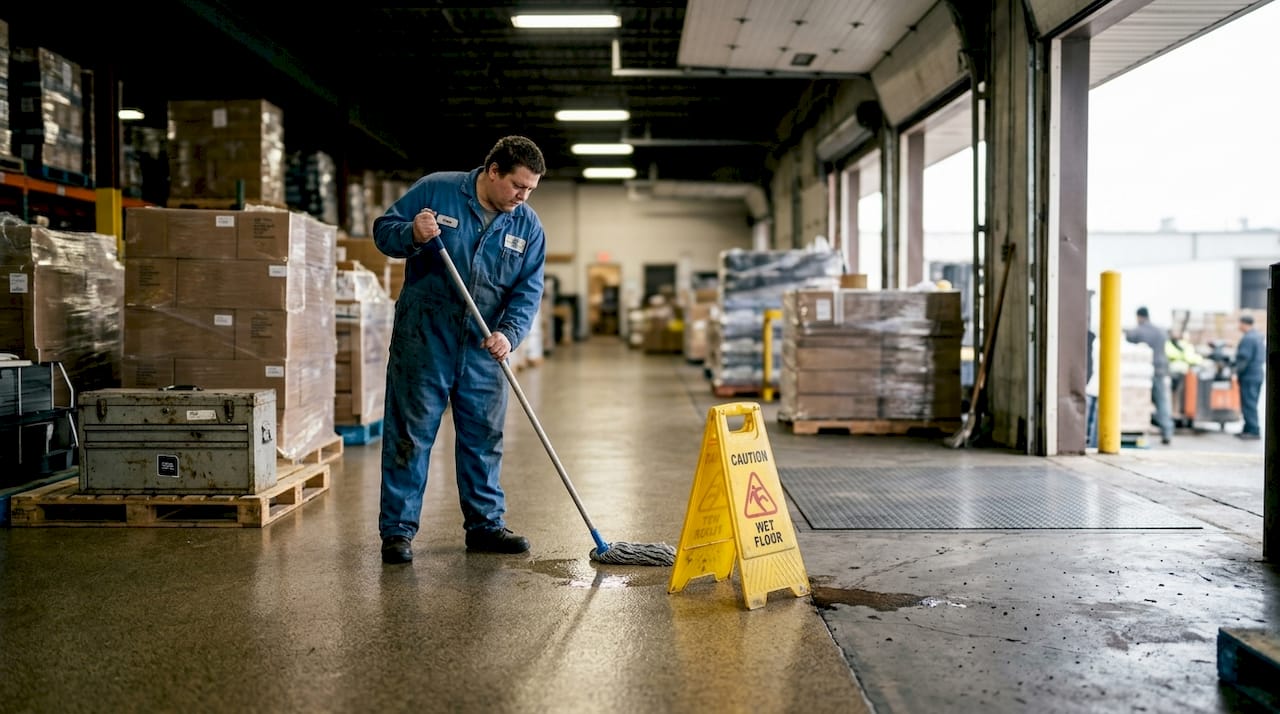
Slip-resistant coatings can significantly reduce workplace injuries, according to Safe Work Australia. This is particularly relevant in Queensland facilities where wet season conditions push moisture levels to extremes. Warehouses, food processing plants, and commercial kitchens are especially vulnerable. Without adequate surface protection, even a light misting of condensation can turn a concrete floor into a genuine hazard.
Under Queensland’s Work Health and Safety (WHS) Act, employers have a duty to eliminate or minimise risks to workers as far as reasonably practicable. Non-slip, durable flooring is not optional. It is a core part of your workplace safety standards obligations. Failure to maintain compliant flooring can expose your business to significant fines and civil liability.
Here are the most common safety risks that quality floor coatings directly address:
- Slip hazards from water, oil, and chemical spills on untreated surfaces
- Trip hazards from cracked, uneven, or deteriorating concrete
- Chemical exposure risks where industrial fluids contact bare concrete and create corrosive residue
- Dust and particulate accumulation in unsealed surfaces that compromises air quality
- Thermal shock damage in areas exposed to rapid temperature changes
Our epoxy floor coatings are formulated specifically to address these risks, while our industrial floor coatings are engineered for the heaviest-duty Queensland environments.
“The floor is the single most contacted surface in any facility. It deserves more attention than it typically receives in safety planning.”
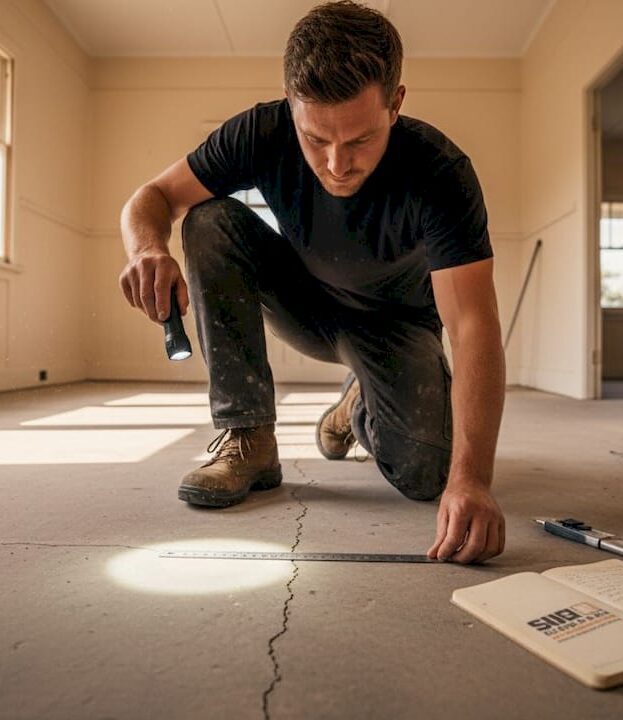
Pro Tip: Schedule a floor condition audit at the start of each wet season. Queensland’s humidity spikes between November and March, and early identification of surface degradation can prevent costly incidents before they occur.
Types of floor coatings and their safety features
Understanding the ‘why’ of safety, we now examine the ‘how’, exploring the various coating options and what makes each one effective in different Queensland facility types.
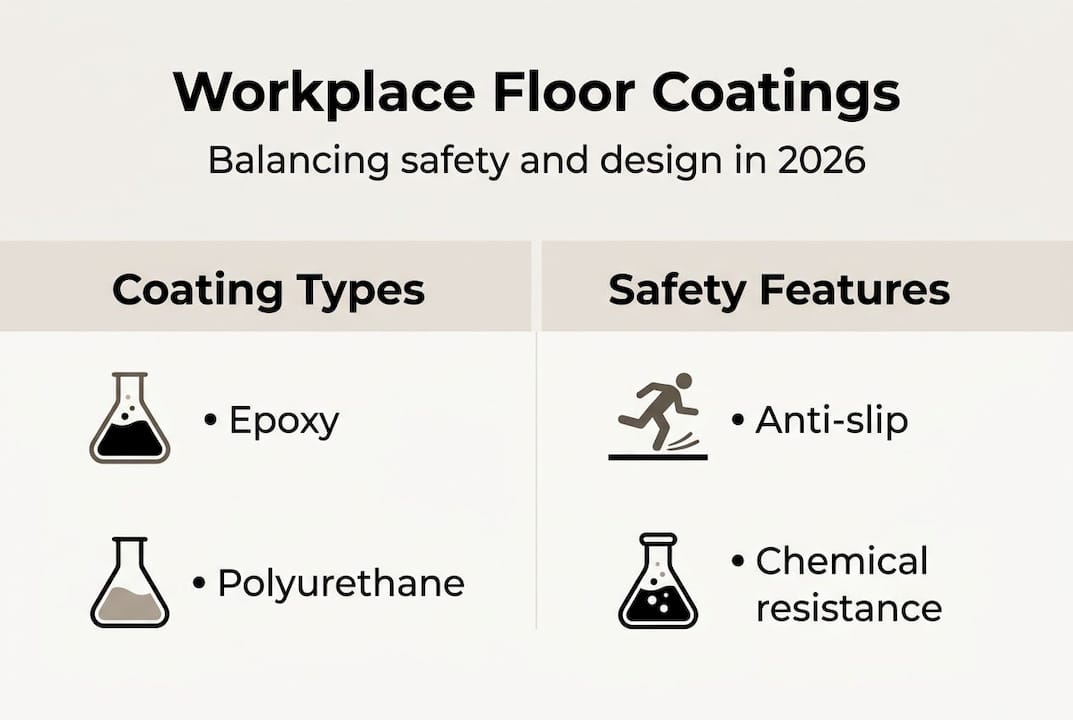
The three most widely used coating systems in commercial and industrial settings are epoxy, polyurethane, and acrylic. Each has distinct performance characteristics that make it better suited to certain environments.
Epoxy and polyurethane coatings offer durable protection from spills and wear, making them the go-to choice for high-demand facilities. Acrylic coatings, while more affordable upfront, are better suited to lower-traffic areas and exterior applications.
| Coating type | Slip resistance | Chemical durability | Ease of cleaning | Best use case |
|---|---|---|---|---|
| Epoxy | High (with aggregate) | Excellent | Very easy | Warehouses, factories, garages |
| Polyurethane | High | Very good | Easy | Food service, cold storage |
| Acrylic | Moderate | Moderate | Moderate | Carparks, outdoor areas |
Here is how to match the right coating to your facility’s specific needs:
- Food service and commercial kitchens: Polyurethane coatings are preferred here because they resist thermal shock from steam cleaning and tolerate food-grade chemicals without degrading.
- Warehouses and distribution centres: Epoxy coatings with broadcast aggregate (anti-slip particles embedded in the surface) provide the highest slip resistance under heavy foot and forklift traffic.
- Carparks and outdoor areas: Acrylic or polyurethane systems with UV stability prevent yellowing and surface breakdown from direct Queensland sunlight.
- Manufacturing and chemical processing: Heavy-duty epoxy systems with chemical-resistant topcoats protect both the floor and the workers operating on it.
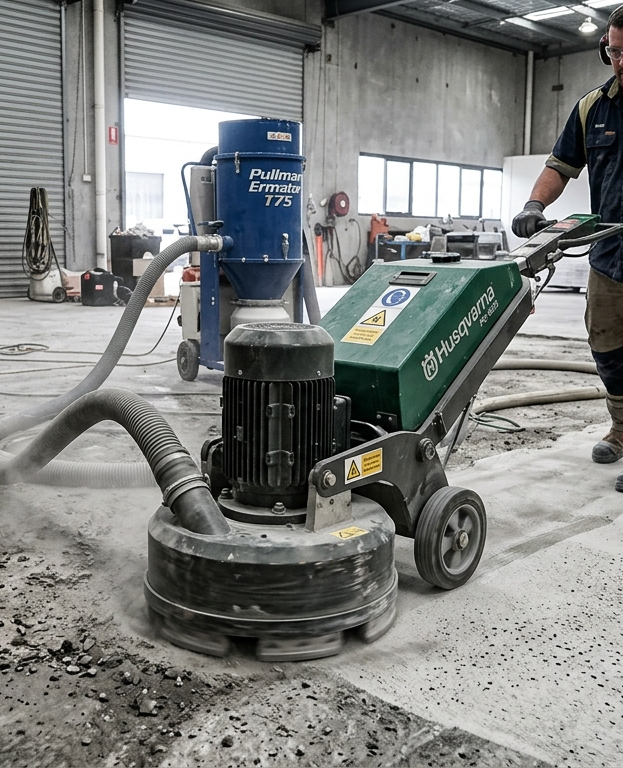
For Queensland property owners considering epoxy coatings for Queensland floors, the key consideration is surface preparation. No coating performs to specification on a poorly prepared substrate. Concrete Surface Profile (CSP) must be achieved through mechanical grinding before any coating is applied. This ensures proper adhesion and long-term performance.
The benefits of garage epoxy extend well beyond industrial settings. Residential and commercial property owners are increasingly specifying epoxy for garages, showrooms, and retail floors because of the combination of safety performance and visual appeal.
Australian standards for floor coatings provide clear guidance on minimum slip resistance ratings. Always verify that your chosen coating system meets or exceeds these benchmarks before installation.
How floor coatings prevent common workplace accidents
With options clarified, it’s essential to see exactly how the right coating prevents costly incidents in real Queensland workplaces.
Over 20% of reported injuries in warehousing are due to slips and trips, according to Australian injury statistics. That figure does not include the indirect costs: worker compensation claims, lost productivity, legal fees, and reputational damage. For a mid-sized Queensland warehouse, a single serious slip incident can cost upwards of $50,000 when all factors are accounted for.
The four primary accident categories that floor coatings directly address are:
- Slips on wet or contaminated surfaces: Anti-slip aggregate coatings maintain grip even when wet, reducing the coefficient of friction to safe levels.
- Trips over surface irregularities: Resurfacing and coating systems fill cracks and level uneven concrete, eliminating trip points before they cause injury.
- Chemical burns from floor contact: Sealed, chemical-resistant coatings prevent industrial fluids from pooling in concrete pores where workers may contact them.
- Falls from fatigue-related missteps: Clearly delineated floor zones using contrasting coating colours reduce confusion in busy facilities and guide safe movement.
Here is a practical risk assessment framework for your facility:
| Hazard type | Risk indicator | Coating solution |
|---|---|---|
| Wet floors | Condensation or spill zones | Anti-slip epoxy with aggregate |
| Surface cracks | Visible cracking or spalling | Resurfacing prior to coating |
| Chemical exposure | Spill history or storage proximity | Chemical-resistant polyurethane |
| Poor visibility | Low contrast floor markings | Contrasting colour epoxy zones |
Consider a Queensland logistics warehouse that upgraded from bare concrete to a full industrial epoxy solution. Within 12 months of installation, the facility reported zero slip-related incidents compared to three in the prior year. The coating system included anti-slip broadcast aggregate, clearly marked pedestrian walkways in a contrasting colour, and chemical-resistant zones around loading bays.
For facilities with high visual appeal requirements alongside safety needs, the Hyper Flake Stone Range delivers decorative flake finishes that also embed anti-slip texture into the surface. Safety and aesthetics are not mutually exclusive.
Pro Tip: Conduct a simple water-drop test on your current floor. If water absorbs into the surface rather than beading, your concrete is unsealed and actively accumulating contaminants that increase slip risk.
Balancing safety with design and cost-efficiency
Now that safety and prevention are clear, the challenge becomes achieving safety gains without sacrificing style or fiscal responsibility.
The misconception that safe floors must look industrial and utilitarian is outdated. Modern coatings can blend high safety ratings with attractive finishes at reasonable costs, making it entirely possible to satisfy both your WHS compliance obligations and your brand presentation requirements.
Design options available in today’s coating systems include:
- Solid colour epoxy in a wide range of tones to match corporate colour schemes
- Decorative flake systems that add texture and visual depth while embedding anti-slip aggregate
- Metallic epoxy finishes for showrooms and retail environments that require premium aesthetics
- Polished concrete overlays that provide a sophisticated, low-maintenance surface with excellent durability
From a cost-efficiency perspective, the return on investment for quality floor coatings is compelling. Consider these factors:
- Fewer worker compensation claims reduce insurance premiums over time
- Coated floors require less maintenance than bare concrete, lowering ongoing cleaning costs
- A well-specified coating system lasts significantly longer than a budget seal, reducing replacement frequency
- Enhanced facility presentation supports brand credibility with clients and visitors
When presenting a flooring upgrade proposal to decision makers, frame the investment in terms of risk reduction and asset protection rather than aesthetics alone. A single prevented injury claim can offset the entire cost of a floor coating project.
Pro Tip: Request a lifecycle cost comparison from your flooring contractor. Compare the total cost over ten years, including maintenance, repairs, and potential liability, not just the upfront installation price. The numbers often make the decision straightforward.
Choosing the right epoxy system for your facility requires balancing slip resistance rating, chemical compatibility, aesthetic requirements, and budget. Our team works through each of these considerations with you before specifying a system. For facilities where visual impact is a priority, metallic epoxy garage floors demonstrate how striking a compliant, safe floor can look.
The flooring trends and safety landscape in 2026 shows a clear shift toward coatings that perform on multiple dimensions simultaneously. Queensland facility managers who specify smart coating systems are not just protecting their workers. They are making a sound long-term investment in their property.
Why safety and style don’t have to be at odds
After working with Queensland facilities across warehousing, retail, food service, and manufacturing for over a decade, we have observed a persistent belief: that a truly safe floor must look functional and plain. Our experience consistently proves otherwise.
The clients who push back hardest on safety-focused flooring upgrades are often those managing customer-facing spaces. They worry that anti-slip coatings will make their showroom look like a factory floor. What we show them, every time, is that modern coating technology has closed that gap entirely.
Decorative flake systems, metallic finishes, and polished concrete benefits are all achievable alongside full WHS compliance. The coating systems we specify meet Australian slip resistance standards while delivering finishes that genuinely enhance the visual character of a space.
The real cost of compromising on either safety or aesthetics is higher than most property owners realise. A floor that looks great but fails compliance puts your business at legal risk. A floor that is safe but visually poor undermines your brand and client confidence. Smart specification satisfies both, and that is the standard we hold ourselves to.
Transform your facility with safe, stylish floor coatings
Ready to review your flooring strategy? At FloorX Industries, we specialise in delivering epoxy floor coatings that meet Queensland’s WHS requirements without compromising on finish quality. Whether you manage a warehouse, a retail showroom, or a food processing facility, we tailor every system to your specific safety and design requirements.

Our industrial floor coatings are engineered for the toughest Queensland environments, and our decorative range gives you the freedom to specify a floor that reflects your brand. Explore our full range of epoxy coatings for style and safety and contact our team for a site assessment or obligation-free quote. We bring over a decade of Queensland flooring expertise to every project.
Frequently asked questions
What are the most slip-resistant floor coatings for workplaces?
Epoxy and polyurethane coatings with added aggregates are among the top choices for slip resistance in workplaces, particularly in high-traffic or wet environments.
How often should floor coatings be reapplied to maintain safety?
Most high-traffic commercial coatings last 5 to 10 years depending on wear levels, but regular inspection ensures ongoing compliance and early identification of surface degradation.
Do floor coatings need special cleaning to stay safe?
Routine sweeping and mopping with non-abrasive cleaners are usually enough to keep coated floors safe, as regular cleaning maintains both surface integrity and slip resistance.
Can floor coatings improve both looks and safety?
Modern finishes combine style and safety effectively, with a wide range of decorative options available that fully meet Australian slip resistance and durability standards.