

Choosing the right garage flooring for your Queensland home involves balancing durability, maintenance requirements, and visual appeal. With Queensland’s humid climate and the daily wear from vehicles, chemicals, and temperature fluctuations, selecting a floor that stands the test of time is crucial. This article explores essential selection criteria and examines the most popular garage flooring options available, with particular focus on epoxy and polished concrete as proven, attractive solutions that deliver lasting performance.
Table of Contents
- Key takeaways
- How to evaluate garage flooring options
- Epoxy flooring: features, benefits and considerations
- Polished concrete flooring: durability and style
- Other garage flooring options and quick comparison
- Discover expert garage flooring solutions
- FAQ
Key Takeaways
| Point | Details |
|---|---|
| Epoxy durability and recoating | Epoxy floors offer superior chemical and impact resistance but require periodic recoating to maintain performance. |
| Polished concrete longevity | Polished concrete provides exceptional longevity, minimal maintenance, and a sleek natural appearance at roughly half the upfront investment of epoxy. |
| Tiles DIY suitability | Tiles suit DIY enthusiasts but deliver less durability under heavy vehicle traffic. |
| Surface preparation critical | Proper surface preparation proves critical for optimal epoxy floor performance and longevity. |
| Lifespan by material | Floor lifespan varies from 15 years for tiles to over 20 years for polished concrete, depending on material quality, installation standards, and maintenance. |
How to evaluate garage flooring options
Before committing to any garage floor system, you need a clear framework for comparing your options. Several key factors determine whether a flooring solution will meet your specific needs and deliver value over its lifetime.
Durability stands as the primary consideration for any garage floor. Your surface must withstand chemical spills from oil and fuel, impact from dropped tools or equipment, and constant wear from vehicle tyres. Queensland’s climate adds another layer of complexity, with high humidity and temperature swings that can stress certain flooring materials. Assess each option’s resistance to these common garage challenges.
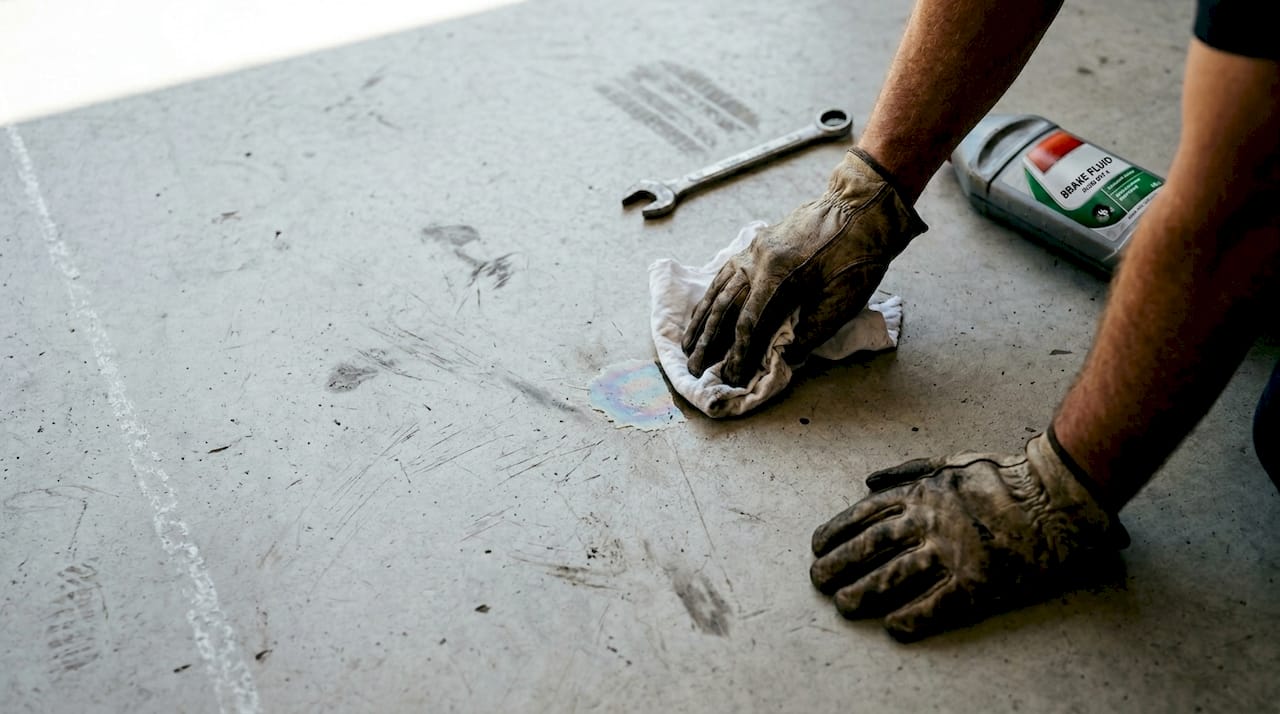
Maintenance requirements directly affect your long-term satisfaction and costs. Some floors demand regular recoating or sealing to maintain protection and appearance, while others need only occasional cleaning. Consider how much time and money you’re willing to invest in upkeep over the floor’s lifespan. Ease of cleaning matters too, especially if you frequently work with messy projects in your garage.
Aesthetics might seem secondary, but your garage floor significantly impacts your home’s overall appeal and potentially its resale value. Modern flooring options offer diverse finishes, colours, and styles that can transform a plain concrete slab into an attractive extension of your living space. Choose a look that complements your home’s design and reflects your personal taste.
Cost analysis requires looking beyond the initial installation price. Factor in the floor’s expected lifespan, maintenance expenses, and potential recoating needs to calculate true lifetime value. A cheaper upfront option might cost more over 20 years if it requires frequent repairs or replacement.
Installation complexity determines whether you can tackle the project yourself or need professional help. DIY-friendly options like tiles can save labour costs but may sacrifice some durability or performance. Professional installation ensures proper surface preparation and application technique, which proves especially critical for epoxy systems.
Pro Tip: Create a weighted scoring system for your priorities (durability, cost, aesthetics, maintenance) and rate each flooring option accordingly. This structured approach helps you make an objective decision rather than getting swayed by a single attractive feature.
Epoxy flooring: features, benefits and considerations
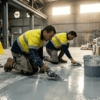
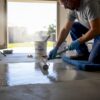
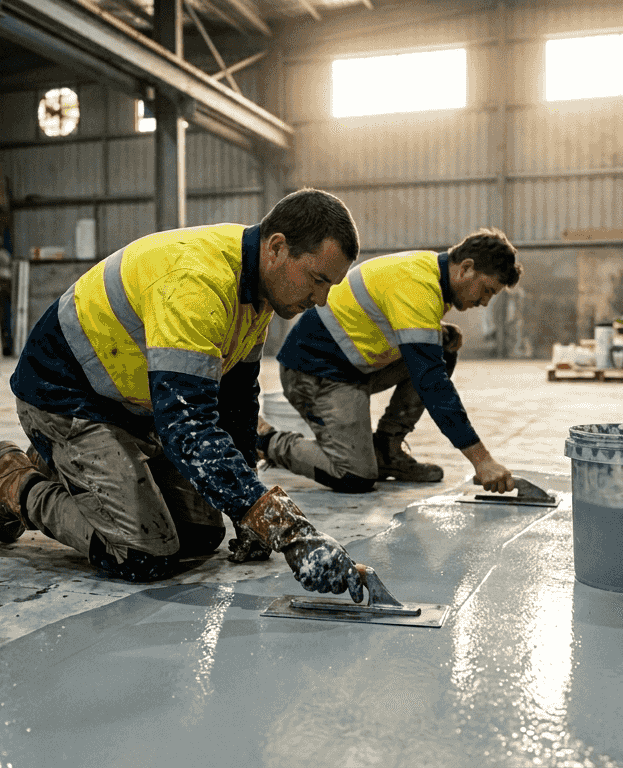
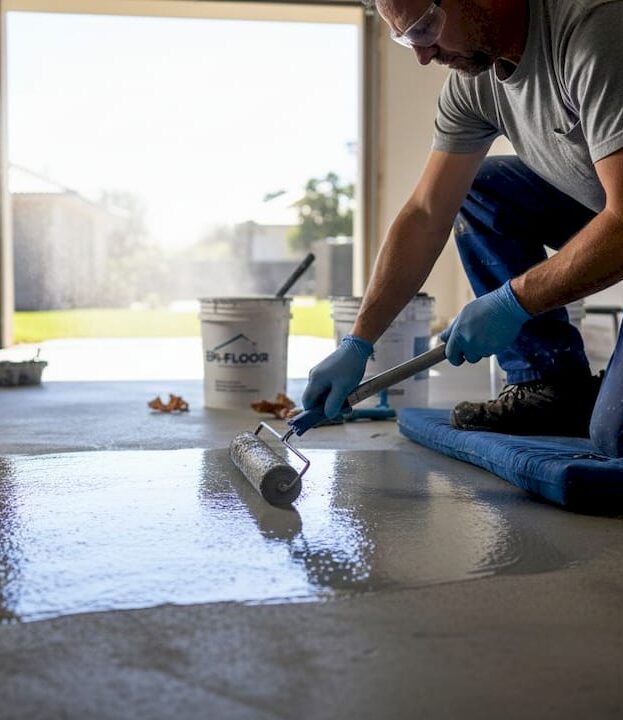
Epoxy flooring has become the gold standard for Queensland garages seeking maximum protection and visual impact. This coating system bonds chemically to prepared concrete, creating a seamless, impermeable surface that handles the toughest garage conditions.
Epoxy systems last 7-20+ years and offer superior chemical and impact resistance, though proper surface preparation proves essential to avoid premature failure. The wide lifespan range reflects quality differences in materials, application techniques, and ongoing maintenance. Premium epoxy products applied by experienced professionals consistently reach the upper end of this spectrum.
The protective qualities of epoxy floor coatings make them ideal for active garages. Oil spills, brake fluid, petrol, and other automotive chemicals simply sit on the surface rather than penetrating and staining the concrete beneath. Hot tyres from recently driven vehicles won’t damage or mark properly cured epoxy. The hard, impact-resistant surface withstands dropped tools, equipment, and the constant weight and movement of vehicles.
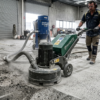
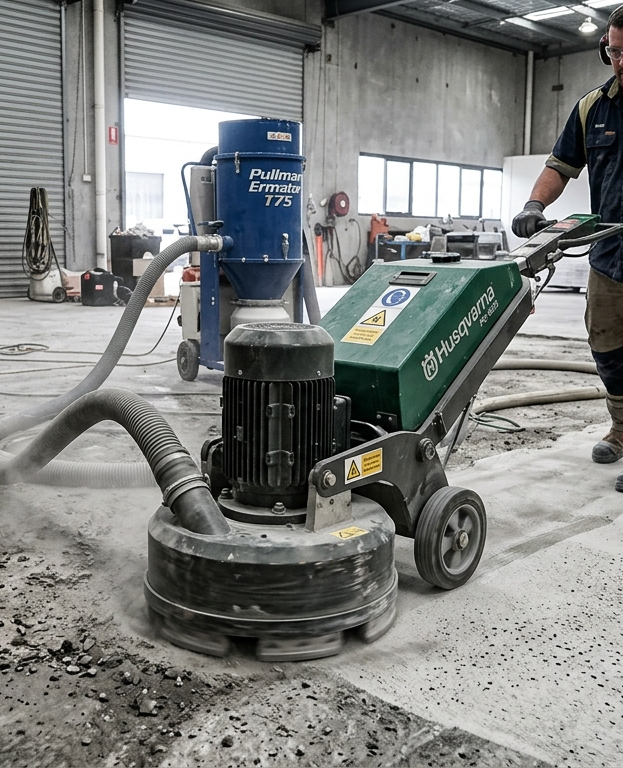
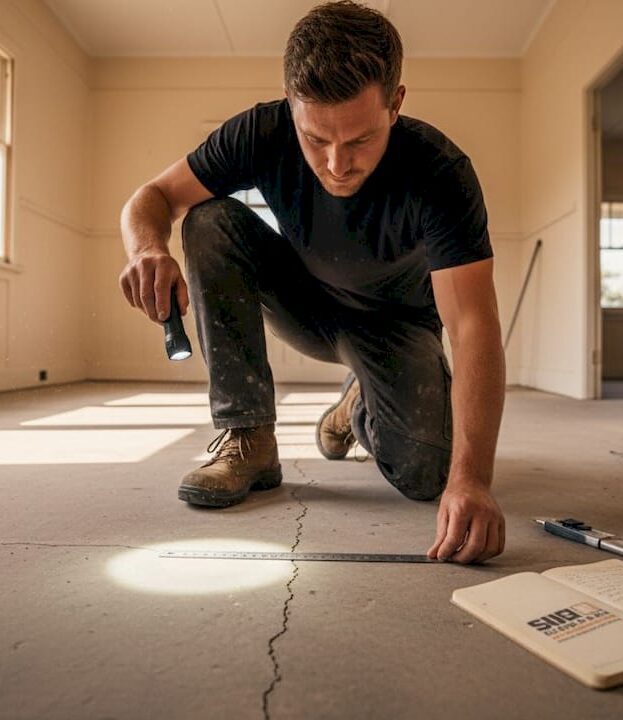
Surface preparation determines epoxy success more than any other factor. The concrete must be thoroughly cleaned, repaired, and profiled (roughened) to create the mechanical bond that prevents peeling and delamination. Many DIY failures stem from inadequate prep work, not poor-quality epoxy. Professional installers use diamond grinding equipment to achieve the proper concrete profile and remove contaminants that would compromise adhesion.
Epoxy’s aesthetic versatility lets you create a garage that matches your vision. Solid colours provide a clean, professional look, while decorative flake systems add texture and visual interest. Metallic epoxy creates stunning, unique patterns that rival high-end flooring. The glossy finish reflects light, brightening your garage and making it feel more spacious.
Maintenance requirements remain reasonable but not negligible. Regular sweeping and occasional mopping keep the surface looking fresh. However, the coating will gradually wear in high-traffic areas, and you’ll eventually need recoating to restore full protection and appearance. Most quality installations require recoating every 5 to 10 years, depending on use intensity. The benefits garage epoxy durable Queensland floors provide typically justify this periodic maintenance investment.
Pro Tip: Schedule epoxy installation during Queensland’s cooler, drier months (May through September) when humidity levels stay lower and temperatures remain moderate. These conditions optimise curing and help achieve the best possible bond and finish.
Polished concrete flooring: durability and style
Polished concrete offers a compelling alternative that combines exceptional longevity with natural beauty and minimal maintenance demands. This process transforms ordinary concrete into a smooth, lustrous surface through progressive grinding and polishing with increasingly fine diamond abrasives.
Polished concrete costs about 50% less upfront than epoxy, lasts 20+ years, and requires low maintenance, making it an economically attractive option for budget-conscious homeowners. The lower initial investment stems from working with the existing concrete slab rather than applying coating layers. You’re essentially revealing and enhancing what’s already there rather than adding new material.
The natural, sleek finish of concrete polishing suits modern and industrial design aesthetics perfectly. The concrete’s inherent colour and character shine through, creating an authentic look that feels both sophisticated and unpretentious. Light reflects beautifully off the smooth surface, enhancing your garage’s brightness and visual appeal. Each polished concrete floor displays unique variations and patterns, ensuring your garage has a distinctive appearance.
Durability ranks among polished concrete’s strongest attributes. Polished concrete is ideal for warehouses due to longevity and low maintenance, principles that apply equally to residential garages. The densified surface resists abrasion, won’t peel or delaminate, and handles normal garage use for decades without significant degradation. Unlike coatings that can fail if improperly applied, polished concrete’s durability comes from the concrete itself.
Maintenance simplicity gives polished concrete a significant advantage over coating systems. No recoating schedule exists because there’s no coating to wear away. Dust mopping and occasional damp cleaning maintain the surface indefinitely. The densification process fills concrete pores, reducing dust generation and making cleaning easier. You’ll spend less time and money on upkeep over the floor’s lifetime.
“For garages with low to moderate use, polished concrete delivers unmatched value. The combination of minimal maintenance, exceptional lifespan, and lower upfront cost makes it the smart choice for homeowners who want a beautiful, durable floor without ongoing coating expenses.”
Chemical and impact resistance, while good, don’t quite match epoxy’s performance. Aggressive chemicals can etch polished concrete if left standing, and extremely heavy impacts might chip the surface. For typical residential garage use involving occasional spills and normal vehicle traffic, polished concrete performs admirably. If you regularly work with harsh chemicals or heavy equipment, epoxy’s superior protection might justify the additional investment.
Other garage flooring options and quick comparison
Beyond epoxy and polished concrete, several alternative flooring solutions deserve consideration depending on your specific priorities and circumstances.
Tiles are preferred by some for easier DIY installation despite lower durability for heavy vehicle use. Interlocking garage tiles, whether rigid PVC or flexible rubber, snap together without adhesives or special tools. You can complete installation in a weekend without professional help, making them appealing for hands-on homeowners. However, the seams between tiles create weak points where moisture and chemicals can penetrate, and heavy vehicles may cause tiles to shift or crack over time. Tiles work best for lighter-use garages, workshops, or areas where you prioritise easy installation and potential future removal.
Resin flooring provides another durable, stylish option that shares similarities with epoxy but uses different chemistry. Resin flooring solutions deliver excellent chemical resistance, diverse decorative possibilities, and solid longevity. Polyurethane resins offer flexibility that helps them resist cracking, while polyaspartic resins cure rapidly, reducing installation time. These systems typically cost comparably to quality epoxy and require similar surface preparation for optimal performance.
Polyurethane coatings deserve mention as a coating option that provides good chemical resistance with enhanced flexibility compared to epoxy. This flexibility helps polyurethane withstand thermal expansion and contraction better in environments with significant temperature fluctuations. The trade-off comes in slightly lower hardness and abrasion resistance compared to epoxy.
| Feature | Epoxy | Polished concrete | Tiles | Resin |
|---|---|---|---|---|
| Upfront cost | Higher | Lower (50% less) | Moderate | Moderate to high |
| Lifespan | 7-20+ years | 20+ years | 15+ years | 10-20 years |
| Maintenance | Moderate (recoating) | Very low | Low to moderate | Low to moderate |
| Chemical resistance | Excellent | Good | Fair | Excellent |
| Impact resistance | Excellent | Very good | Fair to good | Very good |
| DIY friendly | Difficult | Requires professional | Easy | Difficult |
| Aesthetic options | Extensive | Natural variations | Moderate | Extensive |
| Installation time | 2-3 days | 1-2 days | Hours to 1 day | 1-2 days |
This comparison highlights the trade-offs inherent in each flooring type. No single option excels in every category, which explains why different homeowners make different choices based on their unique priorities.
Pro Tip: Match your flooring choice to your garage’s primary function and use intensity. Daily workshop use with heavy equipment and chemicals demands epoxy’s maximum protection. Occasional vehicle parking with minimal mess suits polished concrete’s low-maintenance elegance. Seasonal project space or light storage can work perfectly with tiles’ easy installation and moderate durability.
Discover expert garage flooring solutions
Transforming your garage with professional flooring doesn’t need to feel overwhelming. Whether you’ve decided on epoxy’s protective power or polished concrete’s natural beauty, expert installation ensures you get the performance and appearance you’re investing in.
FloorX Industries specialises in epoxy floor coatings services and concrete polishing services tailored specifically to Queensland’s climate and conditions. Our decade of experience means we understand exactly what works in humid environments and how to prepare surfaces for maximum adhesion and longevity. Every project receives customised attention, from initial assessment through final inspection.

Your garage deserves flooring that matches your lifestyle and enhances your property’s value. Explore our complete range of solutions and discover how professional installation delivers results that DIY approaches simply can’t match. Visit FloorX Industries to discuss your project, view our portfolio, and receive expert guidance on choosing the perfect flooring system for your Queensland garage.
FAQ
What garage flooring options last longest?
Polished concrete delivers the longest lifespan at 20+ years in typical residential garage conditions, thanks to its inherent durability and lack of coating layers that can wear or fail. Quality epoxy installations last 7-20+ years depending on product grade, application quality, and maintenance practices. Tiles typically provide 15+ years of service in lighter-use environments. Proper installation and regular maintenance extend any flooring system’s lifespan significantly beyond minimum expectations.
Can I install epoxy flooring myself?
DIY epoxy installation is technically possible for homeowners with patience and attention to detail, but success demands thorough surface preparation that many underestimate. The concrete must be properly cleaned, repaired, and profiled to ensure adequate coating adhesion. Mistakes in preparation cause peeling and dramatically reduce longevity, often requiring complete removal and reinstallation. Professional installers use specialised equipment and proven techniques that consistently deliver superior, longer-lasting results. If you’re considering DIY, review our DIY epoxy flooring guide to understand the full scope of work involved.
Which garage flooring is best for chemical spills?
Epoxy flooring provides superior resistance to oil, petrol, brake fluid, and other automotive chemicals commonly found in garages. The impermeable coating prevents liquids from penetrating the concrete, making cleanup simple and preventing permanent staining. Polished concrete offers reasonable chemical resistance for occasional minor spills but can be etched by aggressive chemicals left standing on the surface. For garages where chemical exposure happens regularly, epoxy’s protective qualities justify the investment. Learn more about garage epoxy benefits for Queensland conditions.
How does Queensland’s climate affect garage flooring choices?
Queensland’s high humidity and temperature fluctuations create specific challenges for garage flooring systems. Moisture can compromise epoxy adhesion if the concrete hasn’t been properly sealed or if installation occurs during humid conditions. Polished concrete handles humidity well since it works with the existing slab rather than adding coating layers. Temperature swings cause concrete expansion and contraction, which can stress rigid coatings. Quality epoxy and resin systems include flexibility to accommodate this movement. Professional installers account for local climate factors when selecting products and timing installation for optimal conditions.
What surface preparation do different flooring types require?
Epoxy and resin coatings demand the most intensive preparation, requiring diamond grinding to create proper concrete profile, thorough cleaning to remove contaminants, and repair of cracks or damage. Inadequate preparation causes the majority of coating failures. Polished concrete requires cleaning and minor repairs but works with the existing surface rather than bonding to it, making preparation somewhat less critical. Tiles need only a clean, relatively level surface since they don’t bond permanently to the concrete. Professional assessment identifies specific preparation needs based on your concrete’s current condition and chosen flooring system.