

Choosing the right concrete coating for your Queensland floor is rarely straightforward. You are balancing durability, visual appeal, budget, and the very real demands of our local climate — intense UV, high humidity, and temperature swings that push coatings to their limits. Whether you are coating a garage, an outdoor patio, or a busy retail showroom, the wrong choice can mean peeling, yellowing, or costly rework within a few years. The main types of concrete coatings include epoxy, polyaspartic, polyurea, polyurethane, and a range of decorative options — each with distinct strengths. This guide breaks down what matters most so you can make a confident, informed decision.
Table of Contents
- Key factors for choosing a concrete coating
- Epoxy coatings: The garage and warehouse classic
- Polyaspartic and polyurea: Next-gen durability for harsh conditions
- Polyurethane: Flexible top protection for tough climates
- Decorative concrete coatings: Resurfacing for style and function
- How the main coatings compare: Durability, UV resistance, cost
- Situational tips and common pitfalls for Queensland floors
- Ready to get the right coating for your Queensland floor?
- Frequently asked questions
Key Takeaways
| Point | Details |
|---|---|
| Polyaspartic durability | Polyaspartic and polyurea offer the longest lifespan and UV stability for Queensland floors. |
| Epoxy for value | Epoxy is a cost-effective choice for garages when protected from sun and prepared properly. |
| Surface prep is key | Professional slab grinding and moisture checks are essential for coating success. |
| Decorative options abound | Stamped overlays and stains create style but are best for low to moderate traffic areas. |
| Choose by application | Match the coating to the space’s use, sunlight exposure, and maintenance needs for the best result. |
Key factors for choosing a concrete coating
Before exploring each coating type, it is vital to grasp what actually matters when making your decision in Queensland. Our climate is not forgiving. Prolonged UV exposure fades and degrades coatings that were never designed for it. High humidity and moisture in slabs can cause adhesion failures if the surface is not properly prepared. Temperature swings between seasons cause concrete slabs to expand and contract, which stresses rigid coatings over time.
Here are the core factors to evaluate before committing to any system:
- Space usage: A garage floor faces hot tyre pickup and oil spills. A retail floor needs to look sharp under foot traffic. A patio battles sun, rain, and outdoor furniture. Each demands a different coating profile.
- UV stability: Polyaspartic and polyurea are UV-stable and highly durable, making them ideal for Queensland’s sun and high-traffic areas.
- Bond strength and flexibility: A coating that bonds well but cannot flex will crack. Look for systems rated for slab movement.
- Maintenance requirements: Some coatings need resealing every few years; others are largely set-and-forget for a decade or more.
- Surface preparation: Industry professionals consistently note that surface prep accounts for 80 to 90 per cent of a coating’s long-term success. Skipping or rushing this step is the single biggest cause of premature failure.
For a broader overview of what goes into selecting the right system, this guide to concrete floor coatings is a useful reference. If you are specifically focused on your garage, our breakdown of best garage flooring options covers Queensland-specific considerations in detail.
Pro Tip: Fast-curing systems like polyaspartic can be tricky to apply correctly. The working window is short, and mistakes are difficult to fix. Professional installation is strongly recommended for these products.
Epoxy coatings: The garage and warehouse classic
With the criteria in mind, the most common starting point is epoxy coatings. Epoxy has been the go-to for garages and light commercial floors for decades, and for good reason. It bonds strongly to prepared concrete, resists oil and chemical spills, and is available in a wide range of colours and decorative flake finishes.
Key strengths and limitations of epoxy:
- Strong adhesion and chemical resistance: Epoxy resists oil, chemicals and abrasion with a lifespan of 5 to 10 years when properly applied, but it yellows under direct sun.
- Customisable finishes: Decorative flake and metallic options make it popular for residential garages and showrooms.
- Hot tyre pickup risk: Thin or poorly prepared epoxy can lift when hot tyres contact the surface — a common DIY failure point.
- UV sensitivity: Standard epoxy is not UV-stable. For outdoor or sun-exposed areas, it needs a UV-resistant topcoat.
For a detailed look at what epoxy can do for your space, visit our page on epoxy floor coatings. You can also explore our guide on epoxy coatings for stylish floors to see finish options suited to Queensland homes and businesses. For a technical side-by-side, this comparison of epoxy and polyaspartic is worth reviewing.
Pro Tip: Topping epoxy with a polyurethane clear coat adds meaningful UV and abrasion protection, extending the system’s life and reducing yellowing on sun-exposed floors.
Polyaspartic and polyurea: Next-gen durability for harsh conditions
For modern durability and rapid installation in tough Queensland environments, polyaspartic and polyurea are industry standouts. These coatings represent a significant step forward from standard epoxy in terms of performance under our local conditions.
Stat to know: Polyaspartic and polyurea coatings last 15 to 20-plus years, are UV-stable, and allow for rapid project turnover — making them the preferred choice for commercial and high-traffic Queensland spaces.
Why these coatings stand out:
- UV stability: Unlike standard epoxy, these systems do not yellow or degrade under Queensland sun, making them suitable for patios and outdoor-adjacent areas.
- Flexibility: They expand and contract with slab movement, which significantly reduces the risk of cracking over time.
- Fast cure times: Most systems cure within hours, not days. This is a major advantage for retail businesses or commercial spaces that cannot afford extended downtime.
- Higher upfront cost: The initial investment is greater than epoxy, but the reduced need for recoating over a 15 to 20-year lifespan makes the lifecycle cost lower overall.
- Precision application required: The short working window demands experienced installers. Errors during application are difficult to correct once the product begins to cure.
For a direct comparison with polyurethane systems, our article on epoxy vs polyurethane outlines the trade-offs clearly. The external polyaspartic vs epoxy breakdown also provides useful technical context.
Polyurethane: Flexible top protection for tough climates
Not all Queensland surfaces face the same wear or sun exposure — that is where polyurethane topcoats shine. Polyurethane is most commonly applied as a clear topcoat over an epoxy base, adding a layer of UV resistance and abrasion protection that standard epoxy alone cannot provide.
- UV stability and flexibility: Polyurethane is UV-stable, flexible, and abrasion resistant, making it ideal as a topcoat for sun-exposed Queensland surfaces such as patios and alfresco areas.
- Longer lifespan in hybrid systems: When paired with a well-prepared epoxy base, polyurethane topcoats can extend the system’s effective life to 10 to 20 years.
- Outdoor suitability: Its flexibility makes it better suited than epoxy alone for surfaces that transition between indoor and outdoor environments.
- Popular hybrid approach: Many Queensland installers recommend an epoxy base with a polyurethane topcoat as a cost-effective, high-performance solution.
“For patios and outdoor areas exposed to Queensland’s UV intensity, a polyurethane topcoat is not optional — it is the difference between a coating that lasts and one that fails within a few seasons.”
For a full comparison of these two systems, our guide on epoxy and polyurethane floors compared walks through the decision in practical terms.
Decorative concrete coatings: Resurfacing for style and function
For spaces where style and first impressions matter, decorative coatings offer significant potential. These systems are not always the most durable option, but they deliver visual results that standard industrial coatings simply cannot match.
Stamped overlays, stains, and acrylic sealers deliver design versatility for both residential and commercial properties. Here is how each option fits different needs:
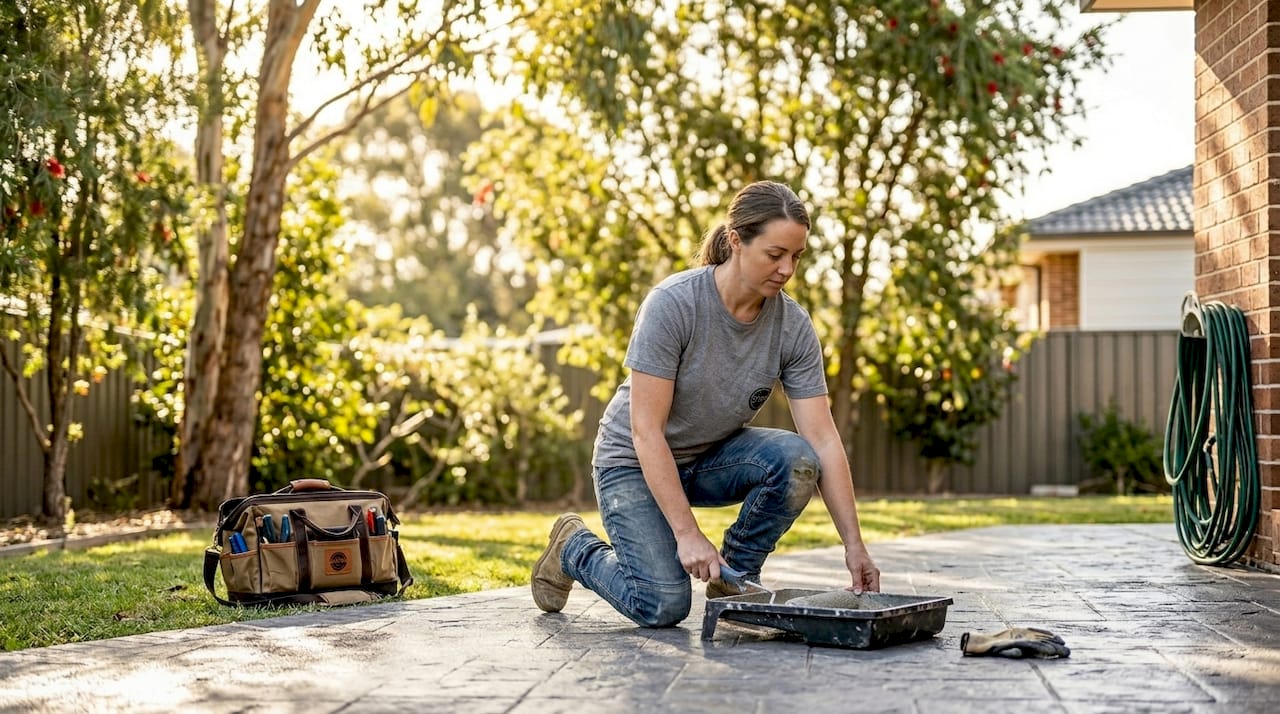
- Stamped concrete overlays: Resurface worn or plain patios with patterns and colour. Ideal for alfresco areas and pool surrounds where aesthetics are a priority.
- Concrete stains: Penetrating, semi-transparent finishes that give concrete a unique, natural character. Popular in retail spaces and cafes where a distinctive look matters.
- Acrylic sealers: The most affordable option. Suitable for patios and low-traffic areas, but they offer lower durability than epoxy or polyurea systems and require more frequent reapplication.
For inspiration on decorative options suited to Queensland homes, explore our guide on decorative concrete flooring types. If you are interested in premium flake finishes, our hyper flake stone range showcases what is possible with modern decorative systems.
How the main coatings compare: Durability, UV resistance, cost
With the main options outlined, a side-by-side comparison makes the choice more straightforward.
| Coating type | Lifespan | UV stability | Cure time | Relative cost |
|---|---|---|---|---|
| Epoxy | 5 to 10 years | Low | 24 to 72 hours | Low to moderate |
| Polyaspartic/Polyurea | 15 to 20-plus years | High | 2 to 6 hours | Moderate to high |
| Polyurethane (topcoat) | 10 to 20 years | High | 12 to 24 hours | Moderate |
| Decorative overlays/sealers | 3 to 7 years | Variable | Variable | Low to moderate |
Polyaspartic and polyurea offer a 15 to 20-plus year lifespan, clearly outlasting epoxy at 5 to 10 years, polyurethane at 10 to 20 years, and most decorative overlays. Understanding why specifying floor coating projects is complex helps explain why professional advice matters.
Best coating by scenario:
- Sunny outdoor patio: Polyaspartic or polyurethane topcoat for UV stability and weather resistance.
- High-traffic retail floor: Polyurea or polyaspartic for rapid cure, durability, and low maintenance.
- Budget garage: Epoxy with a polyurethane topcoat for a cost-effective, solid-performing system.
- Decorative update: Stamped overlay or concrete stain for style-first residential or hospitality spaces.
For spaces where long-term value matters, our article on polished concrete benefits is also worth considering as an alternative to coated systems.
Situational tips and common pitfalls for Queensland floors
A few targeted tips will help you avoid the headaches of premature coating failure. Queensland’s conditions amplify every mistake made during surface preparation or product selection.
Surface moisture is a critical variable. Moisture must be below 4 per cent to avoid peeling and adhesion failures — a common issue with thin epoxies applied over damp or rising-damp slabs. Always test before you coat.
Common pitfalls to avoid:
- Skimping on surface preparation: Inadequate grinding leaves a surface that coatings cannot bond to properly. Professional diamond grinding is the standard for a reason.
- Using indoor-only epoxy outdoors: Standard epoxy will yellow and degrade rapidly under Queensland UV. Always specify UV-stable products for any sun-exposed surface.
- Rushing fast-cure systems: Polyaspartic and polyurea have very short working windows. Applying them without experience leads to uneven finishes, bubbles, and adhesion failures.
For a practical walkthrough of the application process, our epoxy flooring DIY guide covers what is involved step by step.
Pro Tip: When in doubt, choose a system with proven UV stability and a track record in Queensland’s climate. Local performance history matters more than marketing claims on a product data sheet.
Ready to get the right coating for your Queensland floor?
At FloorX Industries, we have spent over a decade transforming concrete surfaces across Queensland — from Gold Coast garages to busy retail showrooms. We understand that every floor has different demands, and we match the right coating system to your specific space, usage, and budget.
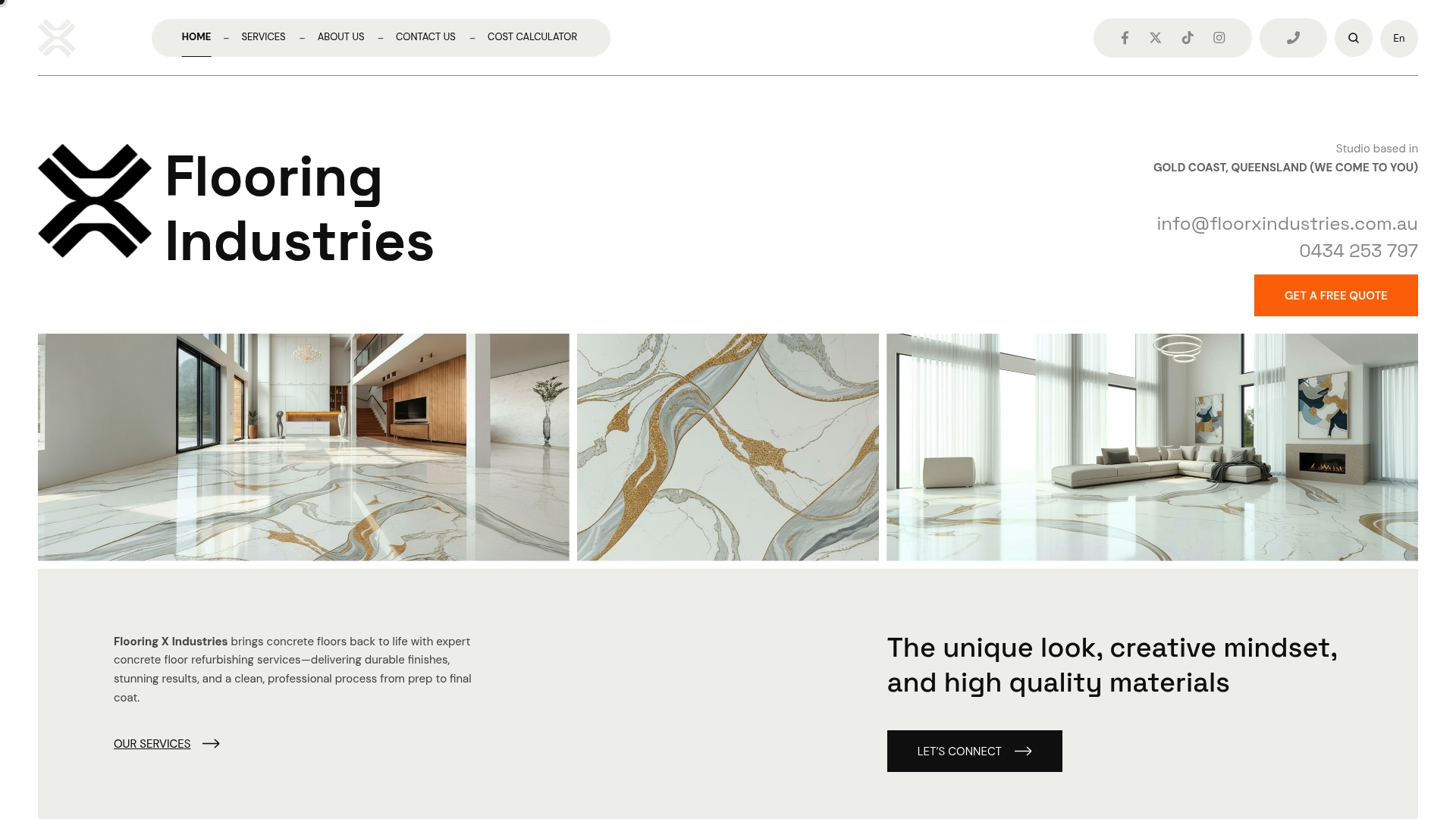
Our team handles everything from surface grinding and moisture testing through to final topcoat application, using industrial-grade materials that comply with Australian standards. Whether you are after a durable epoxy system, a long-lasting polyaspartic finish, or a decorative overlay that makes a statement, we deliver results built to last. Contact us today to discuss your project and get a tailored quote from our experienced Queensland team.
Frequently asked questions
Which concrete coating lasts the longest in Queensland?
Polyaspartic and polyurea coatings last 15 to 20-plus years and outperform epoxy under Queensland’s UV and high-traffic conditions, making them the most durable long-term choice.
What is the best coating for outdoor patios?
UV-stable polyaspartic or polyurethane topcoats are best for Queensland patios exposed to sun and weather, offering superior resistance to fading and surface degradation.
Can I apply epoxy coatings as a DIY project?
DIY epoxy is possible for straightforward garage floors, but professional surface grinding is crucial to prevent peeling, hot tyre pickup, and adhesion failures that are common in DIY applications.
Are decorative concrete coatings durable?
Acrylic sealers and stains offer excellent style but are less durable than polyurea or epoxy for high-traffic Queensland areas, and they require more frequent reapplication.
How much does concrete coating cost in Queensland?
Epoxy’s lower initial cost is offset by more frequent recoating needs, while polyaspartic costs more upfront but delivers greater long-term value through a significantly longer lifespan and reduced maintenance expenses.